
Preparing Your Home for Christmas Guests: Heating and Plumbing Checks You Shouldn’t Skip
Christmas in Texas may look different depending on where you are, but one thing stays the same, when family and friends come to stay, your home’s heating and plumbing work overtime. Whether you’re hosting guests in Lubbock, where winter temperatures can drop quickly, or San Antonio, where holiday gatherings still put extra strain on your systems, preparation is key.
A few simple checks before Christmas can help you avoid unexpected breakdowns, cold nights, or plumbing problems when you least want them.
Do You Check Your Heating System Before the Cold Sets In?
Even in Texas, winter cold snaps can arrive suddenly, especially in West Texas.
- Turn your heating on early and make sure it’s warming your home evenly.
- Check for cold spots in rooms or uneven airflow.
- Listen for unusual noises from your furnace or heat pump.
- Test your thermostat and replace batteries if needed.
In cities like Lubbock, heating systems often work harder and longer, making early inspections especially important. A professional tune-up can help catch issues before they become emergencies.
Make Sure Your Home Can Handle Extra Hot Water Use
Christmas guests mean more showers, more handwashing, and more dishes.
- Check that your water heats up quickly and stays consistent.
- Watch for fluctuating temperatures or low pressure.
- If you have a water heater, make sure it’s keeping up with demand.
Hot water issues often show up when a system is under strain, exactly what happens during the holidays.
Inspect Bathrooms and Toilets
Bathrooms are one of the most-used areas of the home when hosting guests.
- Make sure toilets flush properly and refill without running.
- Fix dripping taps or small leaks before they worsen.
- Clear slow drains to avoid holiday blockages.
In older homes, common in parts of San Antonio, small plumbing problems can escalate quickly if ignored.
Don’t Forget the Kitchen Plumbing
The kitchen becomes the heart of the home at Christmas and the most common place for plumbing trouble.
- Avoid putting grease, oils, or food waste down the sink.
- Check the sink, garbage disposal, and dishwasher for slow drainage.
- Ensure your shut-off valve is easy to access in case of an emergency.
A blocked kitchen sink on Christmas Day is one problem no host wants to deal with.
Protect Pipes From Cold Weather
While freezing temperatures are more common in Lubbock, even San Antonio can experience sudden cold spells.
- Insulate exposed pipes in garages, outdoor walls, or utility rooms.
- Seal drafts near pipework.
- If you’re leaving home for the holidays, keep the heating set to a low, steady temperature.
Frozen pipes can burst and cause costly damage often when homes are empty.
Know Who to Call If Something Goes Wrong
Even with the best preparation, emergencies can still happen during the holidays.
Having a trusted local heating and plumbing company serving Lubbock and San Antonio, Texas, gives you peace of mind if something goes wrong at the last minute. Acting quickly can often prevent further damage and restore comfort fast.
Enjoy a Warm, Stress-Free Texas Christmas
Preparing your heating and plumbing systems before Christmas guests arrive helps ensure your home stays warm, comfortable, and worry-free—no matter which part of Texas you’re celebrating in.
If you need a pre-Christmas heating or plumbing check, or if you find yourself facing a last-minute issue, our local team proudly serves Lubbock and San Antonio, offering reliable, professional support when you need it most.
How Homeowners Get Cheated by Big HVAC Companies. Go Local
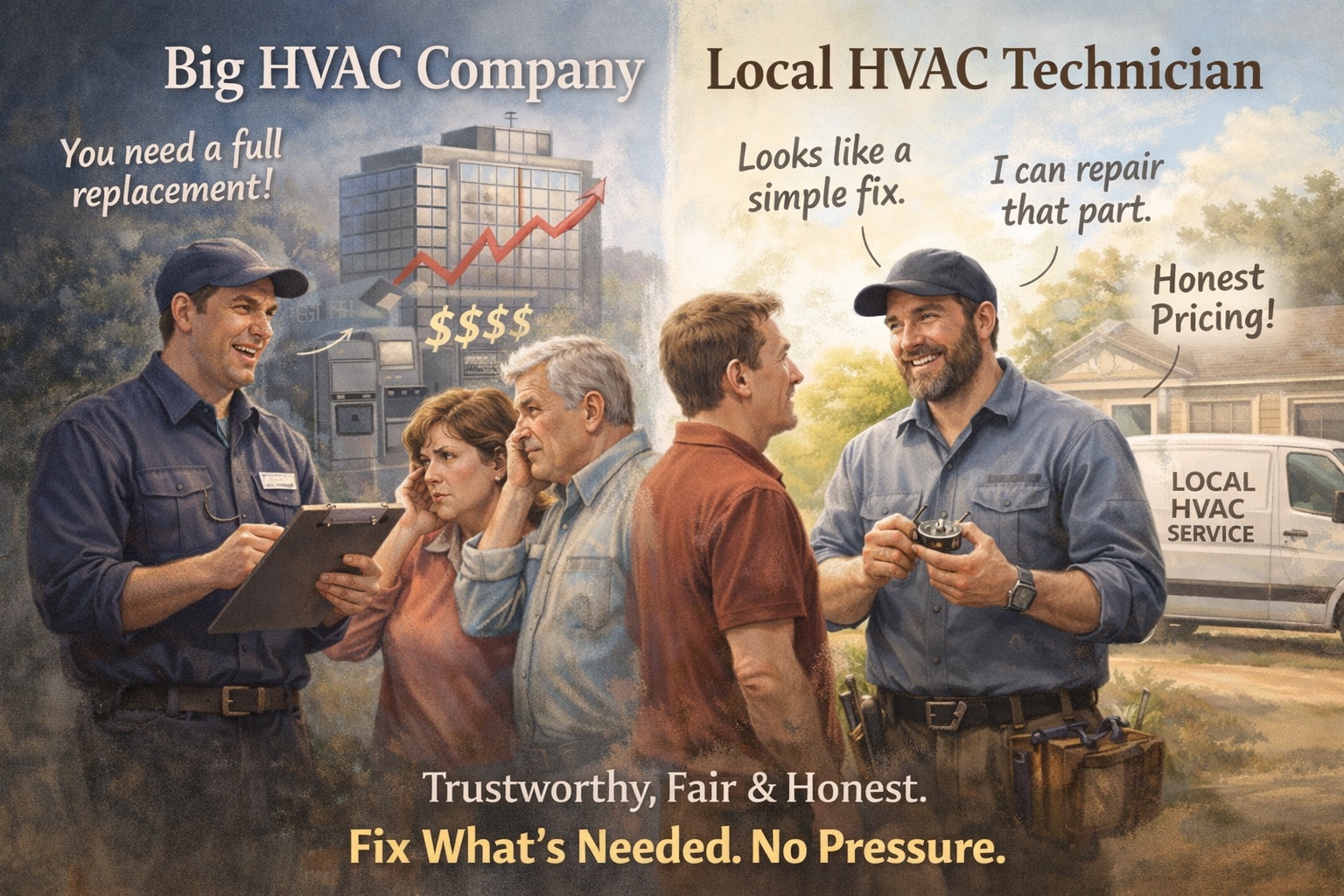
When your heating or air conditioning system stops working, it immediately feels like an emergency. Whether it’s the middle of summer or the dead of winter, most homeowners just want the problem fixed as quickly as possible. Unfortunately, that sense of urgency is exactly what some large HVAC companies rely on and it’s why so many people end up paying for repairs or full system replacements they never actually needed.
This doesn’t mean every big HVAC company is dishonest, but many operate under a sales-driven model rather than a repair-focused one. The technician who shows up at your door may be under pressure to sell, not to solve the issue which sometimes is as simple as cleaning the vent with vacuum.
A very common scenario starts with a relatively small issue. Something like a failed capacitor, a dirty flame sensor, a clogged drain line, or a loose electrical connection can shut down an entire system. These are routine repairs that experienced technicians fix every day. But instead of addressing the real problem, some companies immediately declare the system to be “failing” or “unsafe” and recommend a complete replacement. Suddenly, a problem that could have cost a few hundred dollars turns into a quote for thousands.
To justify that price, homeowners are often bombarded with technical language that sounds serious but is rarely explained clearly. Terms are thrown around quickly, and questions are answered vaguely or brushed off. Most people don’t work in HVAC, and they shouldn’t be expected to. Still, confusion is sometimes used as a tool if you don’t fully understand what’s being said, it’s easier to feel like replacement is the only safe option.
Another major issue is commission-based pay. Many large HVAC companies reward technicians for selling new systems, upgrades, and add-ons. When income depends on how much is sold, recommendations can become biased. Repairs that would extend the life of a system are overlooked because replacement is more profitable.
Pressure is often added to the mix. Homeowners are told the price is only good for today, or that waiting could cause catastrophic failure. Fear and urgency take over, and people agree to expensive work just to make the stress go away.
This is where local HVAC companies stand apart.
A local technician’s business depends almost entirely on trust and reputation. They don’t have a massive marketing budget to fall back on. If they overcharge or mislead customers, word spreads fast. Because of that, local professionals are far more likely to fix what’s actually broken and be honest about what can wait.
Instead of confusing explanations, good local techs speak in plain language that homeowners can understand easily. They show you the failed part, explain why it stopped working, and let you know what your options are. Sometimes the answer really is replacement but many times it isn’t, and they’ll tell you that too.
Pricing is usually more straightforward as well. You’re paying for the repair that’s needed, the labor involved, and the parts required, not bundled packages, unnecessary upgrades, or premature replacements.
There’s also a level of accountability you simply don’t get with large corporations. When the owner’s name is on the truck and the company serves the same community year after year, doing right by customers matters.
As a homeowner, you always have the right to ask questions. What exactly failed? Can it be repaired? What happens if you wait? A trustworthy technician won’t rush you or make you feel uncomfortable for asking.
Your HVAC system is a major investment, and decisions about it shouldn’t be driven by fear, confusion, or sales pressure. While big HVAC companies focus on volume and profit, local professionals focus on people, fairness, and long-term relationships.
When something goes wrong, calling someone local often means clearer answers, fairer pricing, and repairs that actually make sense. And in the long run, that honesty saves far more than money, it saves peace of mind.
How to find a reliable plumber in Lubbock, Texas?
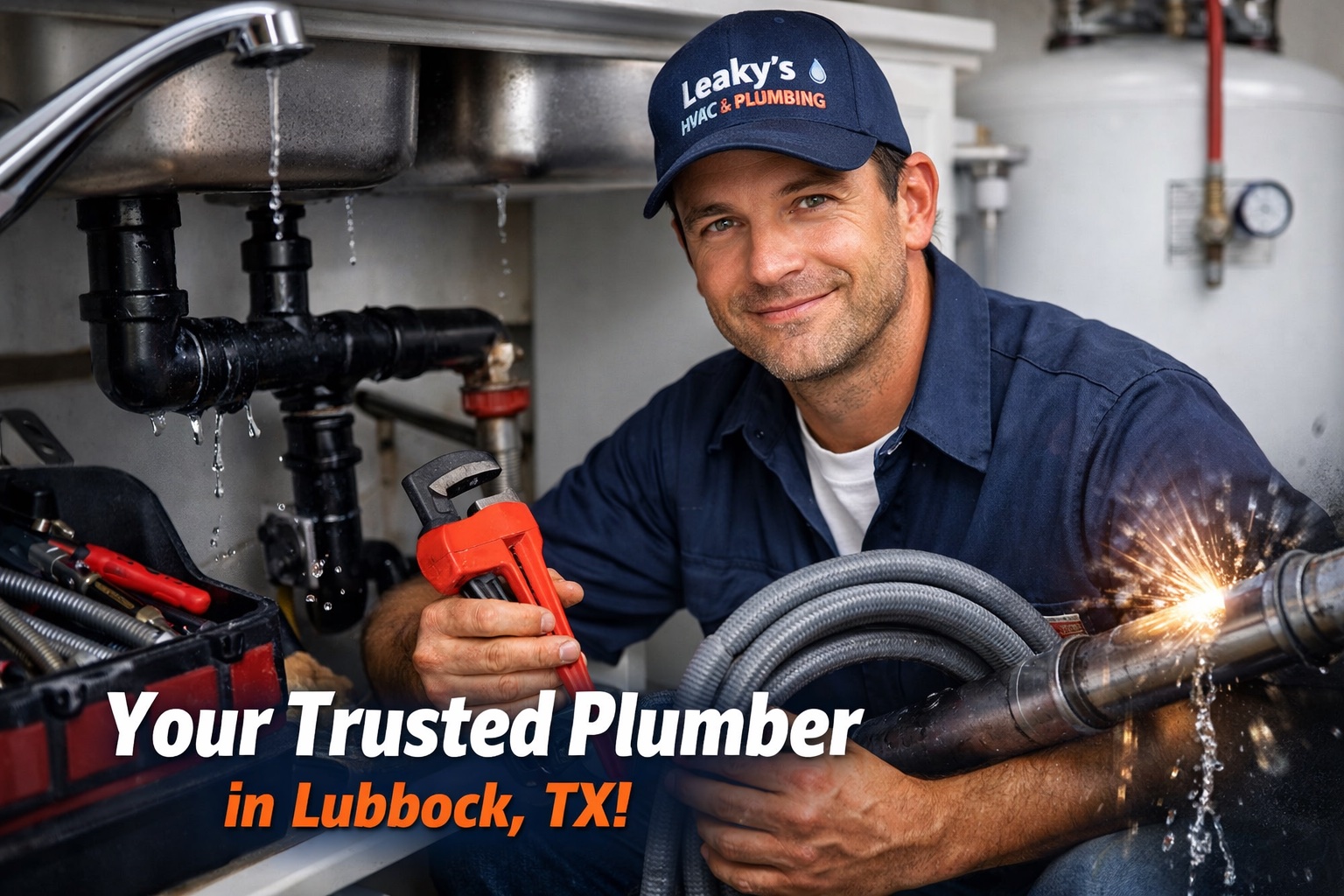
Whether it’s a faucet that won’t stop dripping, a pipe that bursts at the worst possible moment, or a water heater that suddenly quits, plumbing problems have a way of disrupting everything. When that happens, having a dependable plumber in Lubbock, TX isn’t just helpful, it’s essential. The right professional can take a stressful situation and turn it into a quick, manageable fix.
Plumbing issues are rarely as simple as they look, sometimes DIY attempts end up with flooding the entire home. While it might be tempting to tackle a repair on your own, small mistakes can lead to recurring leaks, water damage, or even voided warranties on fixtures and appliances. A licensed plumber brings more than tools to the job. They bring experience, training, and the ability to catch hidden issues before they turn into expensive repairs. In the long run, professional plumbing service often saves both time and money.
If you’re trying to find a reliable plumber in Lubbock, a few practical tips can make the process much easier:
- Make sure the plumber is properly licensed and insured in Texas. This protects both you and your home and ensures the work meets state standards.
- Look for experience with local plumbing systems. Lubbock homes often deal with hard water, shifting temperatures, and older pipes, so local knowledge matters.
- Take a few minutes to read online reviews. Honest feedback from other homeowners can reveal a lot about reliability, pricing, and customer service.
- Ask for clear pricing before work begins. A trustworthy plumber will explain the problem and provide upfront estimates with no hidden fees.
- Pay attention to communication. A good plumber should answer your questions, explain your options, and keep you informed throughout the repair.
- Consider response time, especially for emergencies. Burst pipes and sewer backups can’t wait, and local professionals usually respond faster.
This is where Leaky’s HVAC & Plumbing comes in. As a trusted local provider serving Lubbock and the surrounding communities, Leaky’s understands the unique plumbing challenges West Texas homeowners face. Their licensed technicians handle everything from minor leaks and clogged drains to full pipe replacements and water heater repairs, all with attention to detail and long-term solutions in mind.
Leaky’s HVAC & Plumbing is known for dependable service, fair pricing, and technicians who show up on time and treat your home with respect. They don’t just fix the problem—they make sure it’s done right, with warranties that give you added peace of mind.
Plumbing problems are stressful enough without worrying about who to call. With Leaky’s HVAC & Plumbing, you get a reliable local team that’s ready to help when you need it most.
Supply Chain Pressures Are Affecting HVAC Costs Across Texas, Here’s How Leaky’s Is Helping Homeowners Avoid the Price Pinch
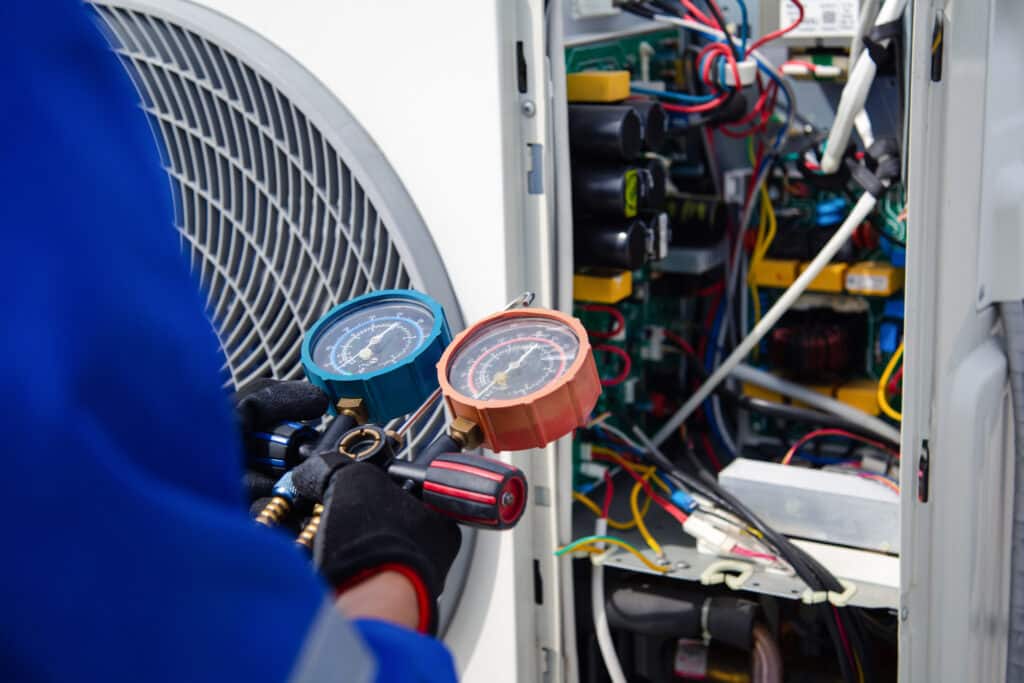
Across Texas, homeowners are hearing more about rising HVAC costs and for good reason. Between hotter summers, growing demand for high-efficiency systems, and major changes in refrigerant regulations, the HVAC industry is under real pressure. One of the biggest challenges right now is the supply chain strain tied to new low-GWP refrigerants, especially R-454B.
While these changes are necessary and positive in the long run, they’ve made installations more expensive for many contractors across the state. At Leaky’s, however, we’ve worked hard to keep our pricing steady, so Texas homeowners aren’t hit with sudden or unexpected increases.
Why Refrigerants Like R-454B Are Becoming the New Standard
Federal regulations are phasing out older refrigerants such as R-410A in favor of lower-global-warming-potential alternatives to ensure America’s carbon footprint reduces progressively. R-454B is one of the leading replacements, offering a much smaller environmental footprint while maintaining strong performance in extreme heat, something that residents of Texas suffer through each year.
The transition, though, hasn’t been seamless. Equipment designed for R-454B requires updated components, additional safety considerations, and specialized technician training. All of that has added cost and complexity at the manufacturing and distribution levels.
How Supply Chain Pressure Is Showing Up in Texas
Texas is one of the largest HVAC markets in the country, and demand here is relentless because it’s one of the hottest states in the USA. As more systems shift to low-GWP refrigerants, contractors across the state are dealing with:
- Limited availability of new-generation equipment
- Higher refrigerant costs
- Longer lead times from manufacturers
- Increased wholesale pricing
For many homeowners, this has translated into higher quotes and fewer options, particularly during peak cooling season when systems fail unexpectedly. If you tried to install a new HVAC system recently, you might have seen a higher cost than what you would have paid say 2-3 years ago.
What This Means for Texas Homeowners
In a state where air conditioning isn’t a luxury but a necessity, HVAC replacements are rarely optional. When prices jump because of supply chain issues, it can feel like homeowners are being squeezed from all sides especially with rising energy bills and other household costs already top of mind.
We hear this concern every day from homeowners in Lubbock and San Antonio where we serve regularly. They simply want reliable comfort without feeling like they’re paying extra because of industry changes beyond their control.
How Leaky’s Is Working to Keep Pricing Stable
At Leaky’s, we’ve taken deliberate steps to soften the impact of these supply chain pressures for our customers. By forecasting demand, securing inventory early, and maintaining strong relationships with suppliers, we’ve been able to manage rising costs internally instead of passing them directly onto homeowners.
Even as refrigerant and equipment costs fluctuate across Texas, our focus has been on consistent, transparent pricing so families can plan with confidence and avoid sticker shock when they need a new system.
This approach reflects what we believe: homeowners shouldn’t be penalized for doing the right thing by upgrading to more efficient, environmentally responsible HVAC systems. This is something that big companies are doing because they have their brand name and trust built over the years, so it is easy for them to cheat the customer and overcharge them.
Why This Commitment Matters to Us
Texas homeowners rely on their HVAC systems more than most. Extended heat waves, high humidity, and heavy system usage mean replacements and upgrades are inevitable. In times like these, stability matters.
By keeping our pricing steady during a major industry transition, we aim to give our customers peace of mind knowing they’re getting modern systems designed for Texas heat, without inflated short-term pricing driven by supply chain disruption.
The move toward low-GWP refrigerants like R-454B is here to stay, and over time, supply chains will stabilize. Until then, Leaky’s remains committed to protecting Texas homeowners from unnecessary cost increases while delivering dependable comfort year-round.
If you’re considering replacing or upgrading your HVAC system and have questions about refrigerants, pricing, or availability, our team is always happy to help, no pressure, just honest guidance.
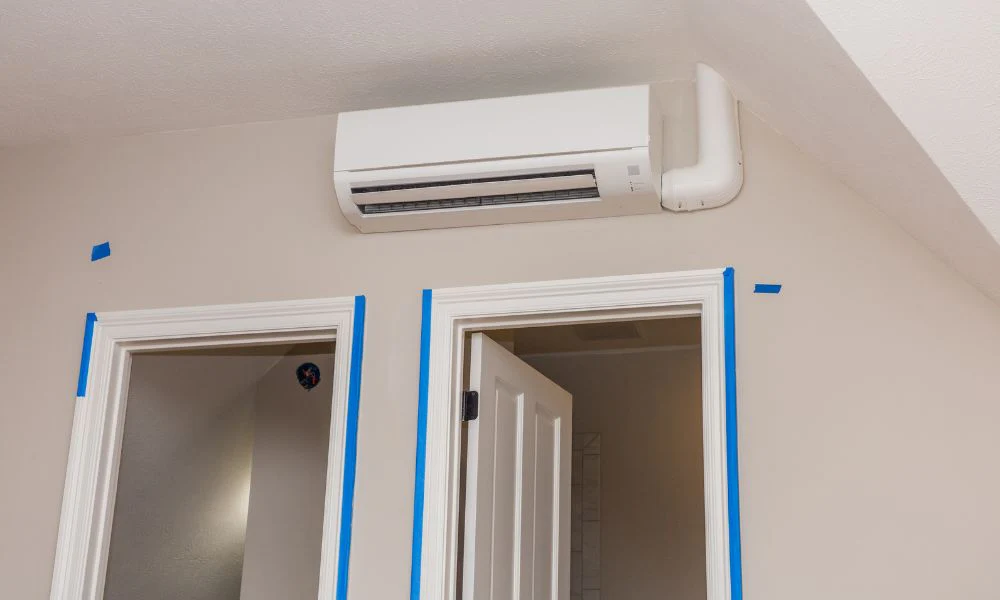
Demand for Split HVAC Systems Is Rising Rapidly in San Antonio
San Antonio’s HVAC market continues to keep changing at a rapid pace. As temperatures continue to climb each year thanks to all the global warming, energy costs rise, and homeowners look for more efficient and flexible comfort solutions, split HVAC systems, especially ductless and multi-zone units are seeing strong growth across the region. Industry forecasts suggest this demand will accelerate through 2035, making split systems one of the most important HVAC trends shaping South Texas.
From older homes in historic neighborhoods to new construction on the city’s expanding outskirts, split HVAC systems are increasingly becoming the preferred solution.
Benefits of a split HVAC system in places where summers are scorching
San Antonio experiences extended cooling seasons, often stretching from early spring well into fall. A Split HVAC system is perfect in these conditions because it can deliver high efficiency during constant cooling demand by adjusting output automatically based on indoor conditions. It can help reduce energy waste during partial-load operation. For homeowners facing rising utility bills, this efficiency can help with long term bill saving.
Split HVACS are Perfect for San Antonio Homes
Many homes in San Antonio, especially in areas like Alamo Heights, Tobin Hill, and older parts of the West and South Sides were built with limited or aging ductwork, small spaces and inconsistent airflow.
Ductless and multi-zone split systems eliminate the need for major duct renovations, making them ideal for old homes, add-on spaces that were converted from say a garage, casitas and accessory dwelling units and small homes that have very constricted spaces.
Installation of split HVACs is faster, less invasive, and often more cost-effective than replacing or upgrading ducted systems.
Zoning Is a Big Win for South Texas Homes
In many San Antonio households, not every room is used all the time. Multi-zone split HVAC systems allow room-by-room temperature control, which is especially valuable when bedrooms are occupied only during the night and living rooms only during the day.
By cooling only the spaces that need it, you can save a lot in the energy bills. We have seen owners getting almost a 50% reduction in their energy bills when they switched to split HVAC.
Modern split systems provide reliable heating during San Antonio’s relatively short winter season while excelling during extreme summer heat.
Ideal for New Construction and Renovations
As San Antonio continues to grow, particularly in areas like Stone Oak, Alamo Ranch, and the Far West Side, builders and developers are increasingly turning to split systems. The advantages are that it offers flexible design options, helps reduce space that would otherwise be required for duct chases and supports higher efficiency ratings in new constructions.
For light commercial spaces such as offices, clinics, and retail units, multi-zone split and VRF systems provide scalable, efficient comfort without oversized equipment.
Split HVAC systems are there to stay for long
With rising temperatures, increasing energy costs, and a growing focus on efficiency, split HVAC systems are well-positioned to dominate the San Antonio market over the next decade. If you want to upgrade your system to a split HVAC, please call us and we will offer you no-obligation consultation on how to proceed.

When Sales Culture Turns Predatory: A Look at an Alarming HVAC Industry Case
In a video that we posted on our TikTok channel, a troubling picture is painted of alleged predatory sales practices inside a major HVAC company. It shows an internal culture where aggressive sales tactics appear to be prioritized over ethics, customer well-being, and even basic human decency. They were caught and this Utah plumbing and HVAC company was accused of 'predatory business practices' and a court case filed against them. The Utah Department of Commerce is taking legal action against Action Plumbing, Heating, Air and Electric and 12 of the company's associated electricians and plumbers, demanding substantial fines, consumer redress and the revocation of professional licenses.
The video begins with a manager allegedly pressuring employees with an ultimatum: “Go in there and sell it… and if I find out you’re not selling it because you don’t want to install it, then I’m just gonna fire you.” While many industries use sales targets, the tone described here suggests something far beyond healthy motivation, it hints at coercion.
The video then shifts to what the speaker claims is a real court case involving the company. According to the transcript, a salesperson convinced an elderly woman reportedly dealing with dementia to agree to $50,000 worth of HVAC repairs and services she allegedly did not need. The transcript also refers to checks written by the salesperson and “forced” signatures, painting a deeply disturbing image of how vulnerable customers may be exploited.
The company, allegedly defended the charges and even insisted the woman owed them more up to $56,000. For many readers, the thought of pressuring any homeowner into unnecessary services is unacceptable; doing so to someone whose cognitive health may be impaired is portrayed as downright predatory.
This behavior “borderline evil,” emphasizing frustration at a sales culture where profit overtakes responsibility. In fields like home repair where customers rely on technicians for expertise and honesty, prioritizing sales above all else can quickly erode trust and lead to widespread harm.
The video ends with a blunt message directed at the individual described in the case: “Check your ego, man. Get a grip.” Whether or not every detail can be independently verified, the allegations raise important questions about oversight, ethics, and accountability in home-service industries.
Why are we posting it on our website:
Cases like the one described, highlight the need for:
- Stricter consumer protections, especially for elderly and cognitively impaired individuals
- Transparent pricing and diagnostics in home services
- Better training and oversight to prevent unethical sales behavior
- Clear consequences for companies that use manipulative tactics
While most HVAC professionals operate with integrity, stories like this remind us that customer trust is fragile and the stakes, especially for vulnerable individuals, are high!
This is a copy of the court case filed against this company. DOPL-NOAA-Action-2025.01.16
What do you think, please share your thoughts in the comments.
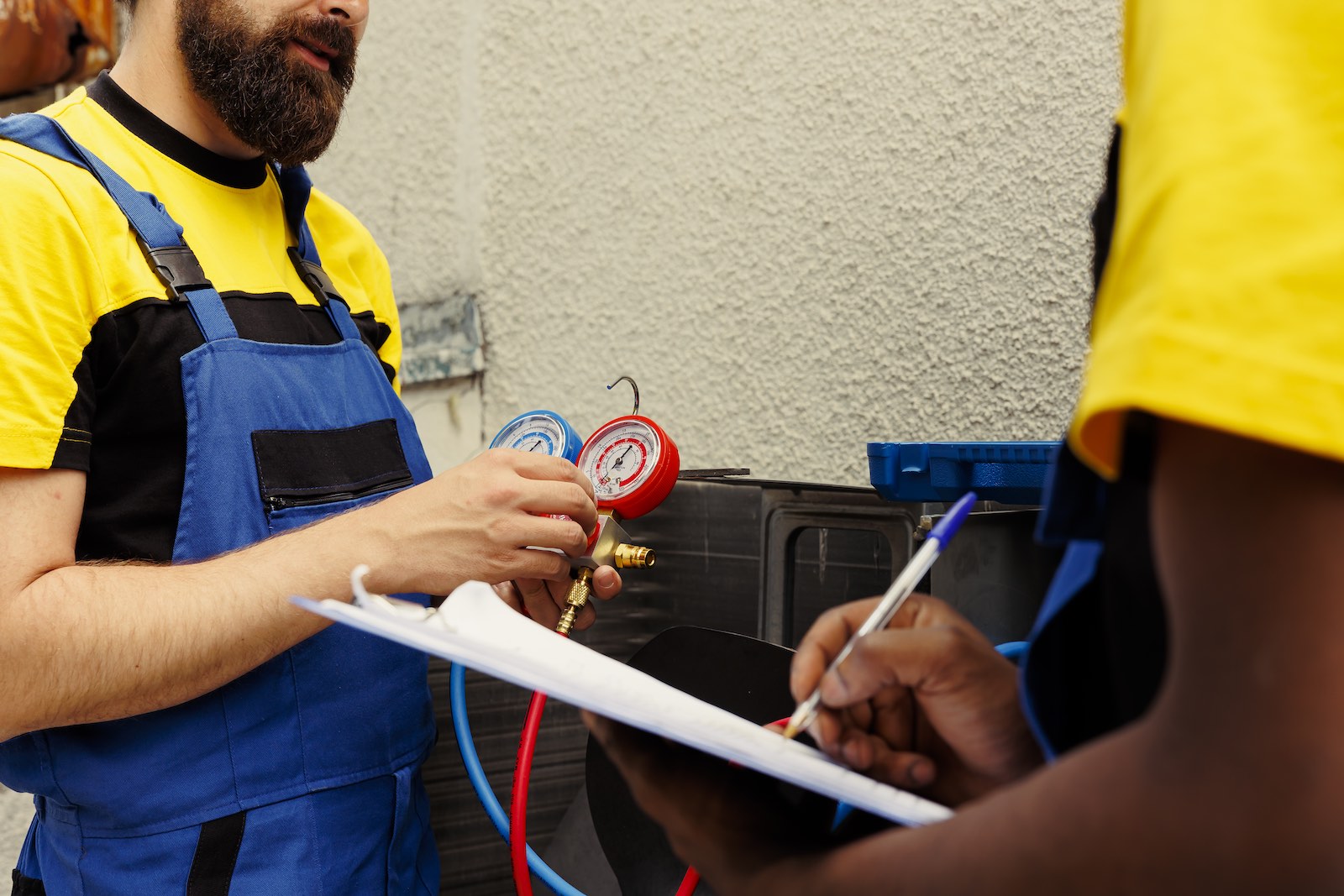
How Much Should Heating Repair Cost in 2026? A Transparent Breakdown
If your heater has started acting up, one of the first questions that comes to mind is, “Okay… but how much is this going to cost me?”
Totally fair. Heating repairs can feel confusing because every system, home, and situation is a little bit different. But as we are about to enter 2026, we can make some assessment around the average pricing across the HVAC industry seeing the trends from 2025.
Below is a simple, honest breakdown to help you avoid surprises and feel confident before calling a pro. We are soon going to launch a calculator on our website to give you a pricing range that can help make better decisions regarding heater repair work for your home.
What can you expect to be a typical cost of heating repair in 2026?
Most homeowners can expect $150 to $950 for common heating repairs, depending on the issue. Smaller fixes like sensors or ignitors are on the low end, while blower motors or heat exchangers sit on the higher side.
The main factors affecting price include:
- The part that’s failing
- Labor time - Usually bigger companies end up charging higher because they have the big brand name but don’t get fooled by all the fancy gimmick. A reputed small HVAC company would give you better service and at affordable rates.
- System type (gas furnace, electric furnace, boiler, or heat pump)
But let’s get more specific…
How much do the most common heating repairs cost?
Here’s what homeowners would be paying 2026 (at least this is what we would charge):
1. Thermostat Repair or Replacement Cost
$120–$350
This is one of the easiest issues to fix. Sometimes it’s just wiring; other times you’ll need a new thermostat.
2. Ignitor or Flame Sensor Repair Cost
$150–$350
Ignitor or flame sensors are small parts but essential for gas furnaces. You can expect quick, same-day repair in most cases.
3. Blower Motor Repair or Replacement Cost
$400–$1,100
A blower motor repair is usually on the lower end, while a full replacement (especially variable-speed motors) pushes toward the top.
4. Heat Exchanger Issues Cost
$600–$2,000+
This is one of the most expensive furnace repairs. Once costs hit this range, many homeowners consider heater replacement, we will evaluate that below on whether to replace or repair.
5. Heat Pump Repairs Cost
$250–$1,200
Heat pumps have more electronic components, which can raise heater repair costs depending on the level of failure.
6. Emergency or After-Hours Service
$150–$300+
Winter breakdowns rarely happen at convenient times. After-hours diagnostic appointments usually have a higher service fee, but the actual repair prices remain similar. Our emergency rates are extremely fair compared to what the big names are charging right now and we are available 24*7, so feel free to call us anytime you need emergency heater repair.
Why Is There Such a Wide Price Range?
Good question — and the short answer is parts, complexity and location of service.
For example:
- A single-stage furnace part is cheaper than a variable-speed, high-efficiency model.
- Older systems may require hard-to-find parts.
- Some repairs take 10 minutes; others take a few hours.
- Location of service - If you are based in say San Antonio, the cost of labour will be higher compared to if you were based in Lubbock, Texas.
The goal isn’t to confuse homeowners or cheat them, it’s just that HVAC systems vary more than most people realize. A trustworthy technician should give you a firm, written estimate before any work begins.
How Do I Know If I’m Being Overcharged?
Look for these signs to assess whether you’re getting a fair deal or not:
- The technician shows you the broken part.
- They explain the issue in plain English without a lot of technical mambo-jumbo usually meant to confuse the homeowners.
- You get options (repair vs. replace), without the pressure to always opt for the high value option.
- The quote includes parts, labor, and warranties.
If any of those feel missing or rushed, it’s okay to ask questions. A reputable HVAC company won’t mind.
Should I Repair or Replace My Heating System?
Here’s an easy rule of thumb:
If the repair is more than 30% of the cost of a new system, or your heater is 12–15 years old, it’s worth comparing replacement options.
Repairs make sense when:
- Your system is in otherwise good condition
- The issue is minor or inexpensive
- Your unit is relatively new
Replacement makes sense when:
- You’re facing a major repair (heat exchanger, compressor, blower motor failure)
- Your heating bills have been climbing
- Your home has hot or cold spots, strange noises, or frequent breakdowns
Make sure you ask all the right questions to the technician even if they look silly and basic.
How Can I Lower My Heating Repair Costs?
Surprisingly, yes. Here’s how homeowners can save some money in 2026:
- Regular maintenance reduces emergency repairs dramatically.
- Catching issues early prevents parts from failing in pairs.
- Changing filters on schedule protects the blower motor.
- Using a smart thermostat helps the system run smoother.
Tiny habits = longer system life.
To summarize, if you’re budgeting for heating repair in 2026, a safe expectation is:
- $150–$350 for small repairs
- $400–$1,100 for medium repairs
- $1,200+ for major repairs
Transparent pricing is the key and at Leaky’s, we value that extremely and will never charge a dollar more to our customer than we should have.
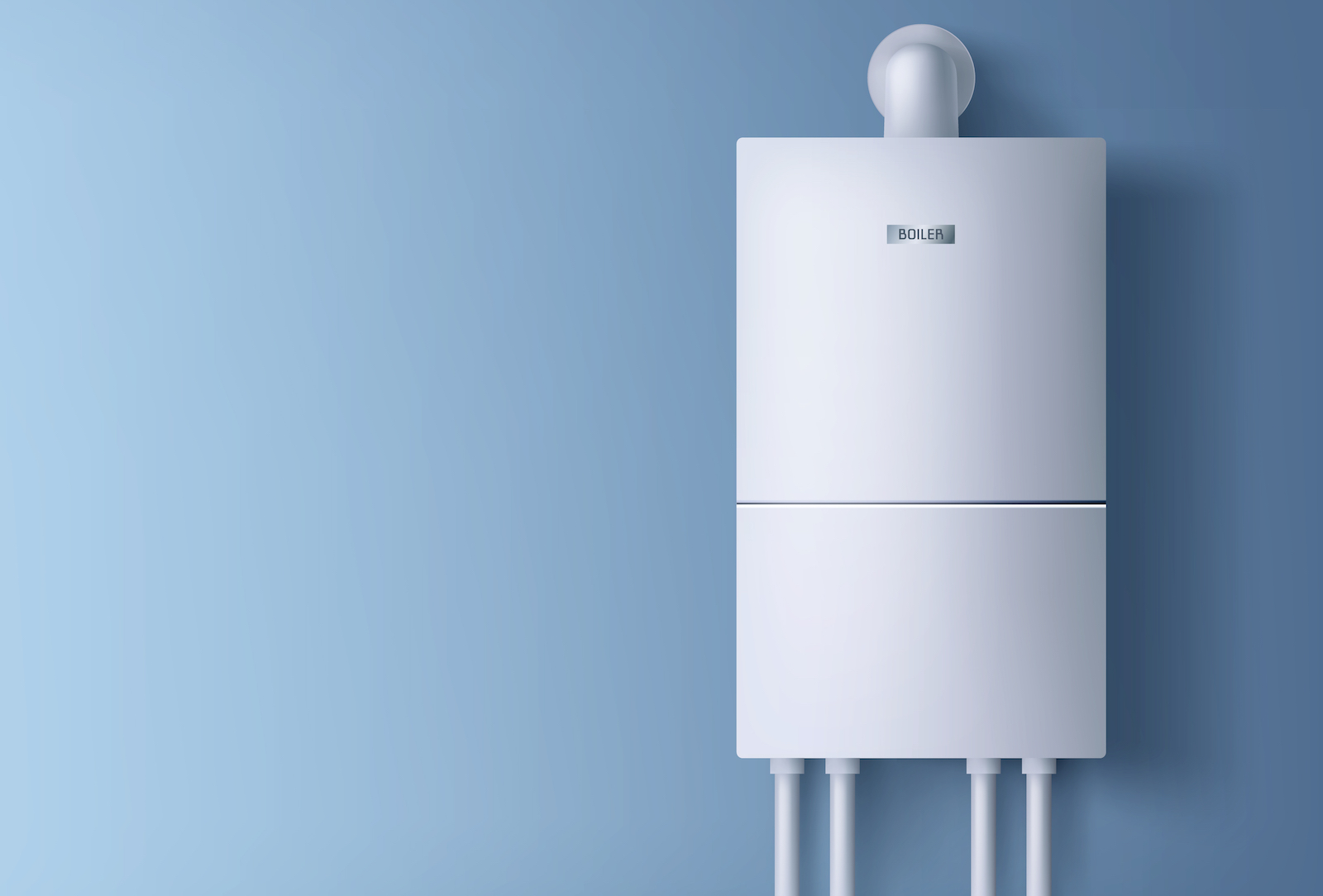
Do You Need a Water Softener With a Tankless Water Heater?
Tankless water heaters are popular for good reason, they’re efficient, provide endless hot water, and take up very little space. Perfect choice if you have space constraints which can be an issue when you live in San Antonio. But one question homeowners often ask is whether they also need a water softener to go with their tankless system. The short answer: if you live in an area with hard water (and many regions do), adding a water softener is one of the best things you can do to protect your tankless heater and keep it operating efficiently for years. And before you start questioning whether San Antonio has hard water or not, yes, San Antonio’s water is hard, and the hardness is widespread across the city due to its dependence on limestone-fed aquifers. If you live anywhere in San Antonio under SAWS (or nearby water systems drawing from similar groundwater sources), you should assume you're getting hard water.
Why does hard water harm tankless water heaters?
Hard water contains high levels of minerals like calcium and magnesium. When that water flows through a tankless heater, those minerals can coat the heat exchanger and internal components. This scaling reduces efficiency, restricts flow, makes the unit work harder, and can eventually cause premature failure. Unlike a traditional tank system, which collects sediment along the bottom, tankless units push water through narrow pathways that are far more sensitive to buildup. Even a thin layer of mineral scale can impact performance, leading to fluctuating temperatures, error codes, or the heater shutting down entirely.
How does water softener help with reducing damage through hard water?
Using a water softener dramatically reduces the amount of mineral buildup the heater has to deal with. With fewer minerals traveling through the system, your tankless heater doesn’t have to work as hard, which typically means longer lifespan, fewer repairs, and better energy efficiency. Homeowners often notice more consistent hot water performance and fewer maintenance issues overall. While tankless units still need annual flushing, softened water makes the process easier and reduces how much scale is removed each year.
Excessive scaling due to hard water can void your tankless heater warranty
Another important thing to consider is warranty protection. Many tankless manufacturers note that improper maintenance or excessive scaling can void parts of the warranty. They may not require a water softener outright, but they do expect homeowners to keep mineral buildup under control. If you live in a hard-water area and skip this step, you could face unexpected costs down the line.
Of course, not everyone needs a softener. If your home has naturally soft water or if a water quality test shows low mineral levels, your tankless heater may not require additional equipment. But in regions where hardness is common, a softener is more of a smart investment than an optional add-on. It protects your plumbing fixtures, reduces soap and detergent use, and keeps appliances from the dishwasher to the tankless heater running more efficiently.
Ultimately, pairing a tankless water heater with a water softener is about prevention. A small upfront investment often pays off through reduced maintenance, better performance, and longer equipment life. If you’re not sure about your home’s water hardness, a quick water test can give you clear answers and help you decide whether a softener is right for your system. If you’re installing a new tankless unit or dealing with frequent scaling or performance issues, now is the perfect time to explore your options, call us anytime and we can help guide you with the best solution for your tankless water heater.
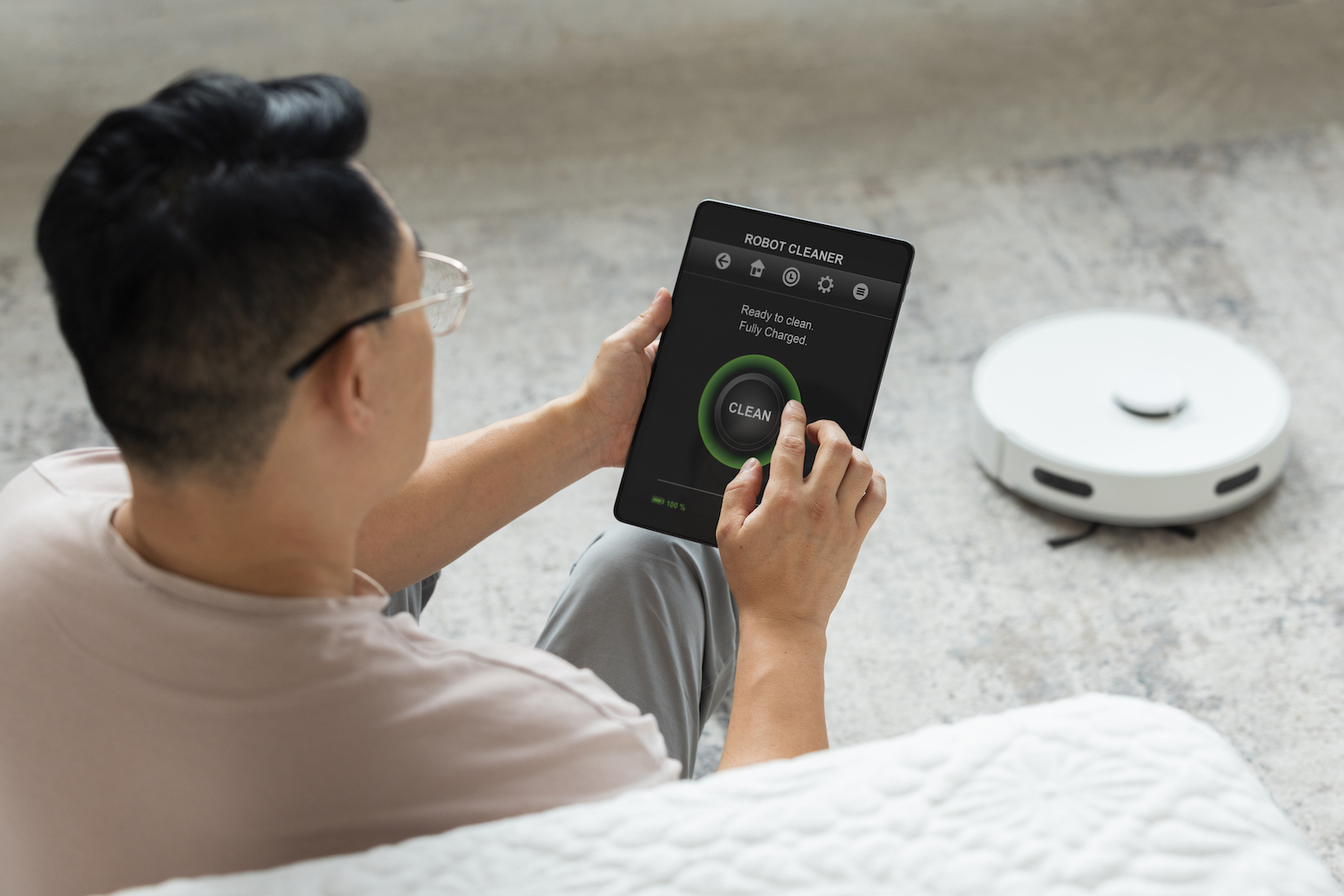
San Antonio Allergies & Indoor Air Quality: HVAC Tips for Relief
San Antonio homeowners know the drill: we don’t only battle heat, winters in San Antonio can bring cedar fever, and year-round humidity feeds dust, mold, and indoor allergens. Please read our guide for HVAC solutions that can help monitor air quality in San Antonio and help you stay away from indoor allergens.
Quick reality check: what’s actually going on in San Antonio
- Mountain cedar (aka “juniper”) pollen is a big local problem. Mountain cedar pollen in the San Antonio area typically spikes in December–February, often peaking in January. Local forecasts and pollen trackers show a pronounced winter spike that can create severe short-term allergy burdens for sensitive residents.
- “Cedar fever” is a true allergic response. Symptoms are the same kinds of allergic rhinitis you’d expect, itchy/watery eyes, sneezing, congestion, cough and many San Antonians experience intense symptoms during mountain cedar season. Over-the-counter meds help many people; others need stronger care.
- Mold and dampness are year-round hazards in a humid subtropical climate. San Antonio’s average humidity and periodic wet seasons create conditions where indoor moisture problems lead to mold growth and mold exposure causes allergic and respiratory symptoms in susceptible people.
HVAC & IAQ solutions that actually help with indoor air quality
1) Keep your HVAC properly maintained (big single-action impact)
Why: Dirty coils, clogged drains, and neglected filters reduce system efficiency and become allergy reservoirs (mold growth on coils, recirculated dust/pollen).
Actionable steps (local seasonal timing):
- Pre-cedar season tune-up (late Nov – early Dec): clean coils, check condensate drain, check refrigerant & airflow, verify fresh-air damper operation.
- Monthly: check the return and furnace/air handler filters; replace or clean as needed.
- Annually: professional inspection of ducts and condensate pans for mold, plus duct sealing if leaks are found.
These maintenance actions reduce the sources of indoor allergens and help filtration/UV systems perform as intended. We at Leaky’s do have annual membership plans that you can opt for to help out with regular air quality monitoring and help save cost.
2) Upgrade filtration — MERV rating vs “HEPA”
What the science says:
- HEPA filters (true HEPA) remove ≥99.97% of particles 0.3 μm (the “worst-case” particle size) and are highly effective at removing pollen and fine particulates from air that passes through them. This is why HEPA filters are the most recommended for airborne particles.
- Clinical and meta-analytic studies show that portable HEPA air cleaners and properly implemented filtration strategies reduce indoor particulate matter and can decrease exposure to pollen, pet dander, and PM2.5, although symptom reduction for every patient varies and depends on proper sizing, placement, and combined measures.
Practical HVAC advice for your home:
- If your central HVAC can accept a high-MERV filter (MERV-13 recommended where the system blower can handle it), upgrade there to capture smaller particles upstream. You can request inspection from our HVAC tech to confirm whether your fan can handle a higher MERV without causing pressure/airflow problems or not.
- For rooms where people spend most time (bedrooms, living room), add a portable HEPA air purifier sized for the room’s square footage. Run at higher fan speeds during cedar season and while cleaning. Replace pre-filters/HEPA cartridges per manufacturer guidance (typically 6–12 months, depends on load).
3) Use UV-C on coils/inside ductwork to reduce biological growth
Evidence & mechanism:
- Installing germicidal UV-C lamps aimed at HVAC coils and drain pans reduces microbial load on surfaces (mold, bacteria) and prevents fouling that would otherwise release spores into the air or reduce system efficiency. Multiple HVAC industry whitepapers and field studies support UV-C’s role in keeping coils cleaner and lowering microbial growth in HVAC systems.
Note: UV-C reduces biological growth on surfaces, it does not “filter out” pollen in the same way HEPA does.
Practical points:
- Use UV-C as part of a package: clean coils, fix leaks/drain issues, and add UV-C. Don’t rely on UV-C alone to solve a moisture or filtration problem. Hire qualified HVAC techs to size and install UV systems safely.
4) Control humidity to prevent mold and reduce dust mite allergens
Why it matters:
- Dust mites and some molds thrive in higher indoor relative humidity. Controlling indoor RH below ~50% helps make the environment less hospitable to mites and mold growth. CDC and public-health guidance mentions that indoor dampness and mold can lead to increased respiratory symptoms.
Post covid times, this has become a lot more important to check because immunity has weakened for many people and made them prone to respiratory issues.
How can you control humidity in your home?
- Use the AC properly (it’s your dehumidifier). During very humid days, run the fan only when dehumidifying or use HVAC settings that promote dehumidification cycles.
- For persistent indoor humidity problems, consider a whole-house dehumidifier integrated with your HVAC system or targeted dehumidifiers for problem spaces (crawl spaces, basements). Make sure to fix leaks and improve ventilation in bathrooms and kitchens so that there is no water spillage that can increase humidity.
5) Targeted cleaning & behavior tweaks that improve IAQ (low cost, high ROI)
- Vacuum with a HEPA-equipped vacuum, especially during pollen season. Pollen tracked in on shoes/clothes settles fast and becomes a recurring source of exposure if not removed.
- Close windows during high pollen days (track local pollen counts via services and local weather outlets - Ref: https://www.iqair.com/pollen/usa/texas/san-antonio). Run HVAC’s fresh-air intake less during peak outdoor pollen events and rely on filtration/recirculation instead.
- Wash bedding weekly in hot water during cedar season to remove pollen/dust-mite allergen buildup.
Quick decision guide for San Antonio homeowners
- Mild seasonal allergies / budget constraints: Start with strict cleaning, higher-MERV central filter (if compatible), and a portable HEPA in the bedroom.
- Moderate to severe symptoms (cedar fever, mold sensitivity): Add a professional HVAC tune-up pre-cedar season, consider UV-C for coil/mold control, and use room HEPA purifiers in sleeping/primary living spaces. Consult an allergist if OTC meds don’t control symptoms.
San Antonio’s unique allergy calendar (mountain cedar in winter) plus seasonal humidity means a multi-layer approach works best: source control (cleaning, moisture fixes), filtration (MERV upgrades + HEPA purifiers), mechanical cleanliness (HVAC maintenance + UV-C where appropriate), and behavior (close windows, vacuum with HEPA, wash bedding). You can always call our San Antonio’s indoor air quality experts to come for a free home inspection and suggest a plan that can ensure you breathe clean air year round inside your home.
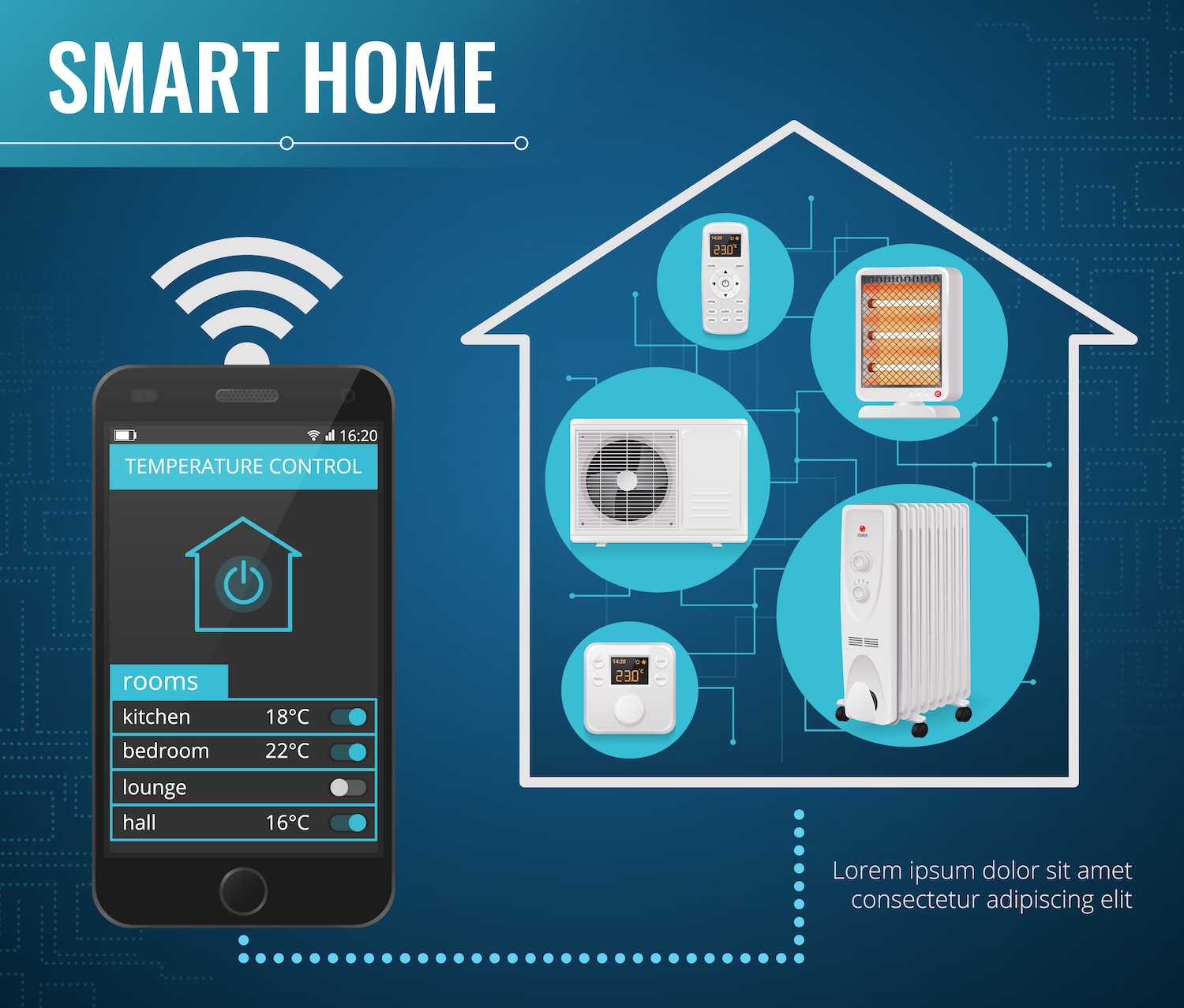
5 Smart HVAC Upgrades for Your Home
If you're looking to make your home more comfortable, energy-efficient, and easier to manage, smart HVAC upgrades are one of the best investments you can make. Modern heating and cooling technology goes far beyond basic thermostats, with smart HVAC solutions, you can install a system that learns your habits, adjusts automatically, and even diagnoses problems before they become costly repairs.
Whether you want lower utility bills, better temperature control, or a healthier indoor environment, these five smart HVAC upgrades can make a big difference.
1. Smart Thermostats for Precision Comfort
Our topmost recommendation is installing a smart thermostat. It is the easiest and most impactful upgrade you can make. These devices take over climate control with intelligent scheduling, remote adjustments, and real-time monitoring.
Benefits of installing a smart thermostat in your home:
- Adjust settings from your phone, anywhere
- Automatically lowers energy use when you’re away
- Learns your daily patterns for hands-free comfort
- Tracks energy consumption
Popular brands like Nest, Ecobee, and Honeywell offer features such as occupancy detection and voice control as well alongside just adjusting the temperature automatically.
2. Smart Vents and Zoning Systems
Traditional HVAC treats your whole home the same but smart vents and zoning let you customize comfort room by room. You don’t need your whole living room getting cooled in the same way and wasting power when you only sit in the couch area.
Why do you need smart vents and zoning systems?
- Open or close automatically based on temperature or occupancy
- Direct airflow only where you need it
- Help eliminate hot spots and cold spots in the home
Smart zoning prevents your system from wasting energy in less-used rooms while making high-traffic areas more comfortable. We have installed smart zoning in some of the homes and the energy consumption has reduced for them.
3. Smart Air Quality Monitors
Indoor air quality (IAQ) affects everything from allergies to sleep quality. Smart IAQ devices track pollutants and communicate with your HVAC system to make real-time adjustments.
How does smart air quality monitors help in homes?
Smart AQI monitors can help alert whenever there is a fluctuation observed above normal levels for following:
- Dust and allergens
- Volatile organic compounds (VOCs)
- Humidity levels
- Carbon dioxide buildup
Pair these with your HVAC equipment, and your system can automatically increase ventilation, activate purification modes, or adjust humidity.
4. Wi-Fi–Enabled HVAC Filters & Indicator Systems
Changing filters on time is essential for HVAC health, efficiency, and indoor air quality. Wi-Fi–connected filter systems or smart sensors can alert you when the filter is clogged or airflow is restricted.
Why do you need HVAC filter indicator systems?
- It saves energy by improving airflow
- It extends the life of your HVAC equipment
- It can help reduces dust and allergens
- It prevents avoidable breakdowns
Think of it as preventive maintenance made easy, put smart indicators today to reduce the repair cost tomorrow.
5. Smart HVAC Controllers & Automation Systems
Smart HVAC controllers integrate your system with home automation tools like Alexa, Google Home, or smart home hubs.
What can HVAC automation offer?
- Automated temperature adjustments based on routines
- Compatibility with window units, mini-splits, or older systems
- Voice commands
- Energy-use analytics
These controllers bring older HVAC units into the modern era without requiring a full system replacement, plus they are sometimes fun to have, imagine walking into your home and just asking “Alexa” to switch on lights and it does based on which mood light you switched on yesterday.
Upgrading even one component can improve efficiency, but combining several creates a fully optimized home comfort system.
Smart HVAC technology gives homeowners more control, better comfort, and real savings. Whether you start with a smart thermostat or upgrade to full zoning and automation, these enhancements can transform how you heat and cool your home. If you would like to convert your home into a smart HVAC home, please call us today.