Do You Need a Water Softener With a Tankless Water Heater?
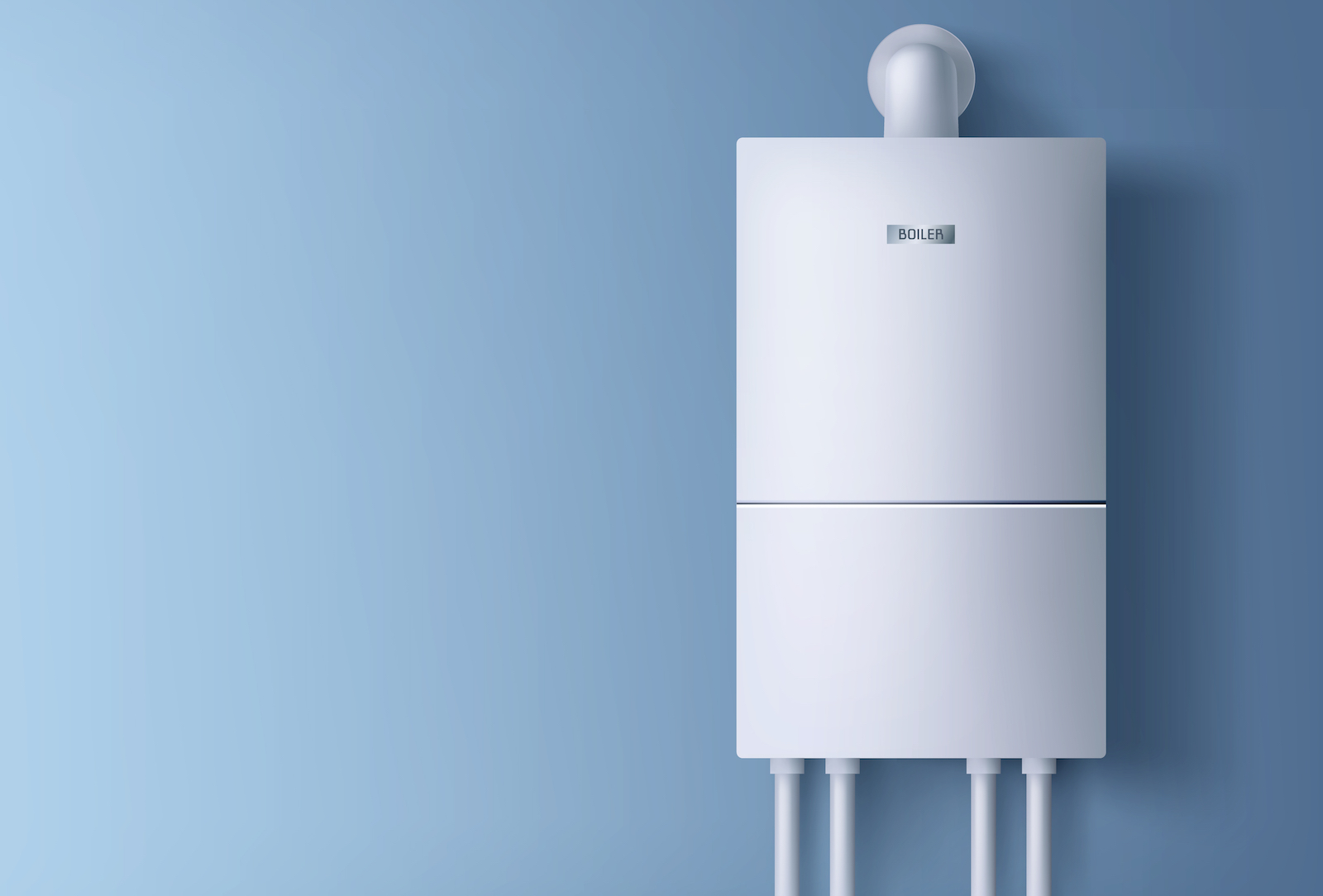
Tankless water heaters are popular for good reason, they’re efficient, provide endless hot water, and take up very little space. Perfect choice if you have space constraints which can be an issue when you live in San Antonio. But one question homeowners often ask is whether they also need a water softener to go with their tankless system. The short answer: if you live in an area with hard water (and many regions do), adding a water softener is one of the best things you can do to protect your tankless heater and keep it operating efficiently for years. And before you start questioning whether San Antonio has hard water or not, yes, San Antonio’s water is hard, and the hardness is widespread across the city due to its dependence on limestone-fed aquifers. If you live anywhere in San Antonio under SAWS (or nearby water systems drawing from similar groundwater sources), you should assume you're getting hard water.
Why does hard water harm tankless water heaters?
Hard water contains high levels of minerals like calcium and magnesium. When that water flows through a tankless heater, those minerals can coat the heat exchanger and internal components. This scaling reduces efficiency, restricts flow, makes the unit work harder, and can eventually cause premature failure. Unlike a traditional tank system, which collects sediment along the bottom, tankless units push water through narrow pathways that are far more sensitive to buildup. Even a thin layer of mineral scale can impact performance, leading to fluctuating temperatures, error codes, or the heater shutting down entirely.
How does water softener help with reducing damage through hard water?
Using a water softener dramatically reduces the amount of mineral buildup the heater has to deal with. With fewer minerals traveling through the system, your tankless heater doesn’t have to work as hard, which typically means longer lifespan, fewer repairs, and better energy efficiency. Homeowners often notice more consistent hot water performance and fewer maintenance issues overall. While tankless units still need annual flushing, softened water makes the process easier and reduces how much scale is removed each year.
Excessive scaling due to hard water can void your tankless heater warranty
Another important thing to consider is warranty protection. Many tankless manufacturers note that improper maintenance or excessive scaling can void parts of the warranty. They may not require a water softener outright, but they do expect homeowners to keep mineral buildup under control. If you live in a hard-water area and skip this step, you could face unexpected costs down the line.
Of course, not everyone needs a softener. If your home has naturally soft water or if a water quality test shows low mineral levels, your tankless heater may not require additional equipment. But in regions where hardness is common, a softener is more of a smart investment than an optional add-on. It protects your plumbing fixtures, reduces soap and detergent use, and keeps appliances from the dishwasher to the tankless heater running more efficiently.
Ultimately, pairing a tankless water heater with a water softener is about prevention. A small upfront investment often pays off through reduced maintenance, better performance, and longer equipment life. If you’re not sure about your home’s water hardness, a quick water test can give you clear answers and help you decide whether a softener is right for your system. If you’re installing a new tankless unit or dealing with frequent scaling or performance issues, now is the perfect time to explore your options, call us anytime and we can help guide you with the best solution for your tankless water heater.
The Financial Advantage of Annual AC Maintenance
Your business absolutely needs a updated daily
This service is best for our Full Representation Service clients who want the fastest preparation and submission time possible. We will prepare and submit your application within 48 working hours of receiving the supporting documents requested We are commited to an integrated communication strategy and offer our clients an exclusive access, providing various information
UK hotels are experiencing increased operating costs due to new tax changes, including rises in employers' national insurance contributions and the national living wage. These changes, effective from April, are expected to significantly impact hotel operations, with some hoteliers anticipating price increases of around 10%. While the luxury market might absorb these hikes, mid-range hotels may struggle, potentially leading to reduced services and staffing.
In 2025, the British hotel industry saw a record surge in deal activity, with acquisitions by private equity firms driving transactions to £6.6 billion, a 182% increase from 2023. London accounted for 50% of this volume, with significant sales such as ADIA's Marriott hotel portfolio to Amante Capital for £900 million. Luxury hotel openings in London, including the Mandarin Oriental Mayfair and Park Hyatt London River Thames, have further stimulated interest.

Mauris non dignissim purus, ac commodo diam. Donec sit amet lacinia nulla. Aliquam quis purus in justo pulvinar tempor. Aliquam tellus nulla, sollicitudin at euismod nec, feugiat at nisi. Quisque vitae odio nec lacus interdum tempus. Phasellus a rhoncus erat. Vivamus vel eros vitae est aliquet pellentesque vitae et nunc. Sed vitae leo will prepare and submit your vitae nisl pellentesque semper.
Latest News more Information
- Proin efficitur, mauris vel condimentum pulvinar
- velit orci consectetur ligula, eget egestas magna mi ut arcu.
- Phasellus nec odio orci. Nunc id massa ante
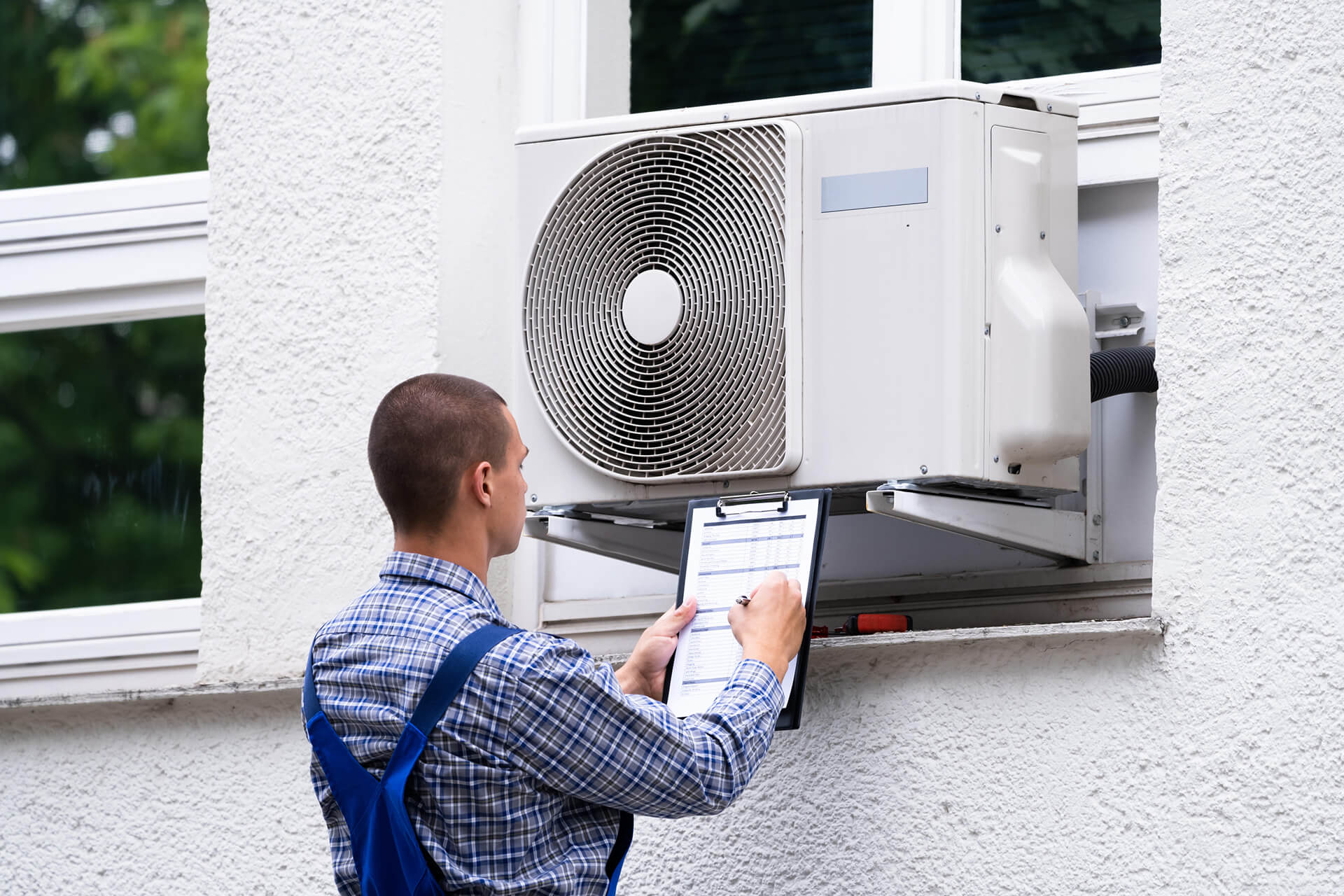
AC Taking Too Long to Cool Causes & Solutions
Your business absolutely needs a updated daily
This service is best for our Full Representation Service clients who want the fastest preparation and submission time possible. We will prepare and submit your application within 48 working hours of receiving the supporting documents requested We are commited to an integrated communication strategy and offer our clients an exclusive access, providing various information
UK hotels are experiencing increased operating costs due to new tax changes, including rises in employers' national insurance contributions and the national living wage. These changes, effective from April, are expected to significantly impact hotel operations, with some hoteliers anticipating price increases of around 10%. While the luxury market might absorb these hikes, mid-range hotels may struggle, potentially leading to reduced services and staffing.
In 2025, the British hotel industry saw a record surge in deal activity, with acquisitions by private equity firms driving transactions to £6.6 billion, a 182% increase from 2023. London accounted for 50% of this volume, with significant sales such as ADIA's Marriott hotel portfolio to Amante Capital for £900 million. Luxury hotel openings in London, including the Mandarin Oriental Mayfair and Park Hyatt London River Thames, have further stimulated interest.
Mauris non dignissim purus, ac commodo diam. Donec sit amet lacinia nulla. Aliquam quis purus in justo pulvinar tempor. Aliquam tellus nulla, sollicitudin at euismod nec, feugiat at nisi. Quisque vitae odio nec lacus interdum tempus. Phasellus a rhoncus erat. Vivamus vel eros vitae est aliquet pellentesque vitae et nunc. Sed vitae leo will prepare and submit your vitae nisl pellentesque semper.
Latest News more Information
- Proin efficitur, mauris vel condimentum pulvinar
- velit orci consectetur ligula, eget egestas magna mi ut arcu.
- Phasellus nec odio orci. Nunc id massa ante

Why Your Air Conditioner Keeps Shutting Down Unexpectedly
Your business absolutely needs a updated daily
This service is best for our Full Representation Service clients who want the fastest preparation and submission time possible. We will prepare and submit your application within 48 working hours of receiving the supporting documents requested We are commited to an integrated communication strategy and offer our clients an exclusive access, providing various information
UK hotels are experiencing increased operating costs due to new tax changes, including rises in employers' national insurance contributions and the national living wage. These changes, effective from April, are expected to significantly impact hotel operations, with some hoteliers anticipating price increases of around 10%. While the luxury market might absorb these hikes, mid-range hotels may struggle, potentially leading to reduced services and staffing.
In 2025, the British hotel industry saw a record surge in deal activity, with acquisitions by private equity firms driving transactions to £6.6 billion, a 182% increase from 2023. London accounted for 50% of this volume, with significant sales such as ADIA's Marriott hotel portfolio to Amante Capital for £900 million. Luxury hotel openings in London, including the Mandarin Oriental Mayfair and Park Hyatt London River Thames, have further stimulated interest.
Mauris non dignissim purus, ac commodo diam. Donec sit amet lacinia nulla. Aliquam quis purus in justo pulvinar tempor. Aliquam tellus nulla, sollicitudin at euismod nec, feugiat at nisi. Quisque vitae odio nec lacus interdum tempus. Phasellus a rhoncus erat. Vivamus vel eros vitae est aliquet pellentesque vitae et nunc. Sed vitae leo will prepare and submit your vitae nisl pellentesque semper.
Latest News more Information
- Proin efficitur, mauris vel condimentum pulvinar
- velit orci consectetur ligula, eget egestas magna mi ut arcu.
- Phasellus nec odio orci. Nunc id massa ante
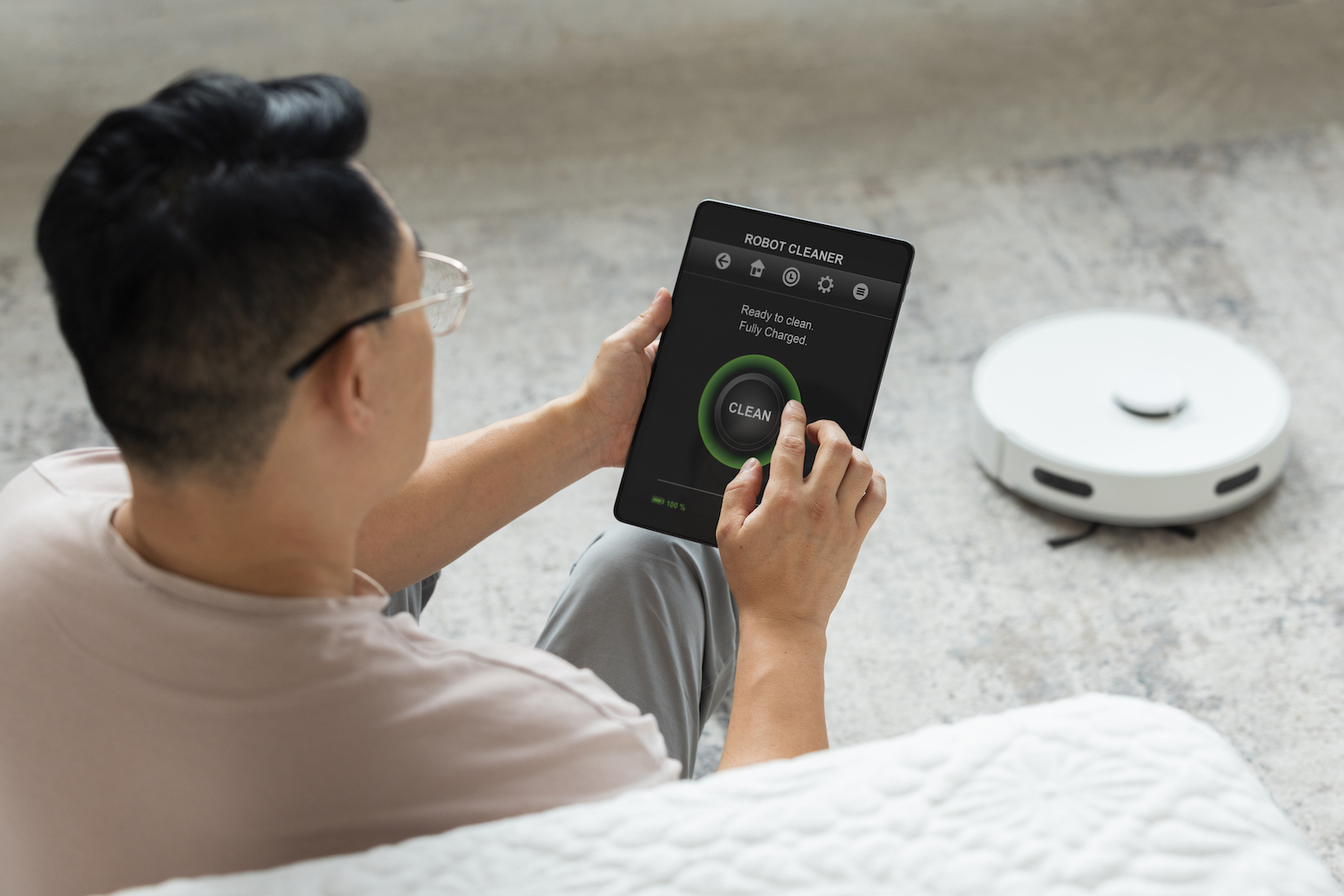
San Antonio Allergies & Indoor Air Quality: HVAC Tips for Relief
San Antonio homeowners know the drill: we don’t only battle heat, winters in San Antonio can bring cedar fever, and year-round humidity feeds dust, mold, and indoor allergens. Please read our guide for HVAC solutions that can help monitor air quality in San Antonio and help you stay away from indoor allergens.
Quick reality check: what’s actually going on in San Antonio
- Mountain cedar (aka “juniper”) pollen is a big local problem. Mountain cedar pollen in the San Antonio area typically spikes in December–February, often peaking in January. Local forecasts and pollen trackers show a pronounced winter spike that can create severe short-term allergy burdens for sensitive residents.
- “Cedar fever” is a true allergic response. Symptoms are the same kinds of allergic rhinitis you’d expect, itchy/watery eyes, sneezing, congestion, cough and many San Antonians experience intense symptoms during mountain cedar season. Over-the-counter meds help many people; others need stronger care.
- Mold and dampness are year-round hazards in a humid subtropical climate. San Antonio’s average humidity and periodic wet seasons create conditions where indoor moisture problems lead to mold growth and mold exposure causes allergic and respiratory symptoms in susceptible people.
HVAC & IAQ solutions that actually help with indoor air quality
1) Keep your HVAC properly maintained (big single-action impact)
Why: Dirty coils, clogged drains, and neglected filters reduce system efficiency and become allergy reservoirs (mold growth on coils, recirculated dust/pollen).
Actionable steps (local seasonal timing):
- Pre-cedar season tune-up (late Nov – early Dec): clean coils, check condensate drain, check refrigerant & airflow, verify fresh-air damper operation.
- Monthly: check the return and furnace/air handler filters; replace or clean as needed.
- Annually: professional inspection of ducts and condensate pans for mold, plus duct sealing if leaks are found.
These maintenance actions reduce the sources of indoor allergens and help filtration/UV systems perform as intended. We at Leaky’s do have annual membership plans that you can opt for to help out with regular air quality monitoring and help save cost.
2) Upgrade filtration — MERV rating vs “HEPA”
What the science says:
- HEPA filters (true HEPA) remove ≥99.97% of particles 0.3 μm (the “worst-case” particle size) and are highly effective at removing pollen and fine particulates from air that passes through them. This is why HEPA filters are the most recommended for airborne particles.
- Clinical and meta-analytic studies show that portable HEPA air cleaners and properly implemented filtration strategies reduce indoor particulate matter and can decrease exposure to pollen, pet dander, and PM2.5, although symptom reduction for every patient varies and depends on proper sizing, placement, and combined measures.
Practical HVAC advice for your home:
- If your central HVAC can accept a high-MERV filter (MERV-13 recommended where the system blower can handle it), upgrade there to capture smaller particles upstream. You can request inspection from our HVAC tech to confirm whether your fan can handle a higher MERV without causing pressure/airflow problems or not.
- For rooms where people spend most time (bedrooms, living room), add a portable HEPA air purifier sized for the room’s square footage. Run at higher fan speeds during cedar season and while cleaning. Replace pre-filters/HEPA cartridges per manufacturer guidance (typically 6–12 months, depends on load).
3) Use UV-C on coils/inside ductwork to reduce biological growth
Evidence & mechanism:
- Installing germicidal UV-C lamps aimed at HVAC coils and drain pans reduces microbial load on surfaces (mold, bacteria) and prevents fouling that would otherwise release spores into the air or reduce system efficiency. Multiple HVAC industry whitepapers and field studies support UV-C’s role in keeping coils cleaner and lowering microbial growth in HVAC systems.
Note: UV-C reduces biological growth on surfaces, it does not “filter out” pollen in the same way HEPA does.
Practical points:
- Use UV-C as part of a package: clean coils, fix leaks/drain issues, and add UV-C. Don’t rely on UV-C alone to solve a moisture or filtration problem. Hire qualified HVAC techs to size and install UV systems safely.
4) Control humidity to prevent mold and reduce dust mite allergens
Why it matters:
- Dust mites and some molds thrive in higher indoor relative humidity. Controlling indoor RH below ~50% helps make the environment less hospitable to mites and mold growth. CDC and public-health guidance mentions that indoor dampness and mold can lead to increased respiratory symptoms.
Post covid times, this has become a lot more important to check because immunity has weakened for many people and made them prone to respiratory issues.
How can you control humidity in your home?
- Use the AC properly (it’s your dehumidifier). During very humid days, run the fan only when dehumidifying or use HVAC settings that promote dehumidification cycles.
- For persistent indoor humidity problems, consider a whole-house dehumidifier integrated with your HVAC system or targeted dehumidifiers for problem spaces (crawl spaces, basements). Make sure to fix leaks and improve ventilation in bathrooms and kitchens so that there is no water spillage that can increase humidity.
5) Targeted cleaning & behavior tweaks that improve IAQ (low cost, high ROI)
- Vacuum with a HEPA-equipped vacuum, especially during pollen season. Pollen tracked in on shoes/clothes settles fast and becomes a recurring source of exposure if not removed.
- Close windows during high pollen days (track local pollen counts via services and local weather outlets - Ref: https://www.iqair.com/pollen/usa/texas/san-antonio). Run HVAC’s fresh-air intake less during peak outdoor pollen events and rely on filtration/recirculation instead.
- Wash bedding weekly in hot water during cedar season to remove pollen/dust-mite allergen buildup.
Quick decision guide for San Antonio homeowners
- Mild seasonal allergies / budget constraints: Start with strict cleaning, higher-MERV central filter (if compatible), and a portable HEPA in the bedroom.
- Moderate to severe symptoms (cedar fever, mold sensitivity): Add a professional HVAC tune-up pre-cedar season, consider UV-C for coil/mold control, and use room HEPA purifiers in sleeping/primary living spaces. Consult an allergist if OTC meds don’t control symptoms.
San Antonio’s unique allergy calendar (mountain cedar in winter) plus seasonal humidity means a multi-layer approach works best: source control (cleaning, moisture fixes), filtration (MERV upgrades + HEPA purifiers), mechanical cleanliness (HVAC maintenance + UV-C where appropriate), and behavior (close windows, vacuum with HEPA, wash bedding). You can always call our San Antonio’s indoor air quality experts to come for a free home inspection and suggest a plan that can ensure you breathe clean air year round inside your home.

5 Smart HVAC Upgrades for Your Home
If you're looking to make your home more comfortable, energy-efficient, and easier to manage, smart HVAC upgrades are one of the best investments you can make. Modern heating and cooling technology goes far beyond basic thermostats, with smart HVAC solutions, you can install a system that learns your habits, adjusts automatically, and even diagnoses problems before they become costly repairs.
Whether you want lower utility bills, better temperature control, or a healthier indoor environment, these five smart HVAC upgrades can make a big difference.
1. Smart Thermostats for Precision Comfort
Our topmost recommendation is installing a smart thermostat. It is the easiest and most impactful upgrade you can make. These devices take over climate control with intelligent scheduling, remote adjustments, and real-time monitoring.
Benefits of installing a smart thermostat in your home:
- Adjust settings from your phone, anywhere
- Automatically lowers energy use when you’re away
- Learns your daily patterns for hands-free comfort
- Tracks energy consumption
Popular brands like Nest, Ecobee, and Honeywell offer features such as occupancy detection and voice control as well alongside just adjusting the temperature automatically.
2. Smart Vents and Zoning Systems
Traditional HVAC treats your whole home the same but smart vents and zoning let you customize comfort room by room. You don’t need your whole living room getting cooled in the same way and wasting power when you only sit in the couch area.
Why do you need smart vents and zoning systems?
- Open or close automatically based on temperature or occupancy
- Direct airflow only where you need it
- Help eliminate hot spots and cold spots in the home
Smart zoning prevents your system from wasting energy in less-used rooms while making high-traffic areas more comfortable. We have installed smart zoning in some of the homes and the energy consumption has reduced for them.
3. Smart Air Quality Monitors
Indoor air quality (IAQ) affects everything from allergies to sleep quality. Smart IAQ devices track pollutants and communicate with your HVAC system to make real-time adjustments.
How does smart air quality monitors help in homes?
Smart AQI monitors can help alert whenever there is a fluctuation observed above normal levels for following:
- Dust and allergens
- Volatile organic compounds (VOCs)
- Humidity levels
- Carbon dioxide buildup
Pair these with your HVAC equipment, and your system can automatically increase ventilation, activate purification modes, or adjust humidity.
4. Wi-Fi–Enabled HVAC Filters & Indicator Systems
Changing filters on time is essential for HVAC health, efficiency, and indoor air quality. Wi-Fi–connected filter systems or smart sensors can alert you when the filter is clogged or airflow is restricted.
Why do you need HVAC filter indicator systems?
- It saves energy by improving airflow
- It extends the life of your HVAC equipment
- It can help reduces dust and allergens
- It prevents avoidable breakdowns
Think of it as preventive maintenance made easy, put smart indicators today to reduce the repair cost tomorrow.
5. Smart HVAC Controllers & Automation Systems
Smart HVAC controllers integrate your system with home automation tools like Alexa, Google Home, or smart home hubs.
What can HVAC automation offer?
- Automated temperature adjustments based on routines
- Compatibility with window units, mini-splits, or older systems
- Voice commands
- Energy-use analytics
These controllers bring older HVAC units into the modern era without requiring a full system replacement, plus they are sometimes fun to have, imagine walking into your home and just asking “Alexa” to switch on lights and it does based on which mood light you switched on yesterday.
Upgrading even one component can improve efficiency, but combining several creates a fully optimized home comfort system.
Smart HVAC technology gives homeowners more control, better comfort, and real savings. Whether you start with a smart thermostat or upgrade to full zoning and automation, these enhancements can transform how you heat and cool your home. If you would like to convert your home into a smart HVAC home, please call us today.

Why Is There a Weird Odor Coming From My AC Vent?
If you’ve ever turned on your air conditioning and been hit with an unpleasant smell, you’re not alone. Strange, mostly bad odors from AC vents are a common issue for homeowners. Fortunately, they’re usually fixable once you understand the cause. Your HVAC system is constantly circulating air throughout your home, so when something goes wrong, your nose is often the first to know.
Read onwards to know some of the most common smells that come from AC vent and what can be done to fix it.
Are you getting a musty or “dirty sock” smell?
A damp, musty odor is the most common complaint from the homeowners, and it usually points to moisture buildup within the system.
The culprit is often:
- Mold or mildew on the evaporator coil
- A clogged condensate drain line, which causes standing water
- A dirty air filter restricting airflow and trapping moisture
What can you do:
Check and replace your air filter first, it’s easy and inexpensive. If the smell persists, your evaporator coil or drain line may need cleaning by a professional.
Is there a rotten egg smell coming from the AC vent?
A sulfur-like or rotten egg smell should be taken seriously. It can indicate:
- A dead animal (rodent or bird) trapped in ductwork
- A natural gas leak near the HVAC system (though AC vents don’t produce gas themselves)
What can you do:
Turn off your system. If you suspect a gas leak, leave the home and contact your gas company immediately, before you leave, make sure to open all windows so the gas can spread out, else it can be a potential fire hazard. If it’s likely an animal, a technician can remove it and sanitize your ducts.
Is there a chemical or sweet odor?
If you smell something sweet, chemical-like, or similar to paint thinner, you may be dealing with:
- Refrigerant leaks
- Overheating electrical components
- Off-gassing from new HVAC parts
What can you do:
Refrigerant leaks require a certified HVAC technician. Continuing to run your system with the smell emitting may damage it further.
Is the AC emitting a burning or electrical smell?
A smoky, metallic, or burning odor often means:
- Dust burning off after long disuse (common when AC first runs in the season)
- Overheating motors
- Worn-out belts
- Electrical shorts
What can you do:
If the smell doesn’t go away after 10–20 minutes of first use, shut off the system and schedule an inspection immediately. A burning smell can be an indication of a potential short circuit that could happen so switch it off immediately and call someone for AC inspection.
Is there a sewage or sulfur smell?
A sewage-type odor may indicate:
- A backed-up sewer line releasing gases into your home
- A cracked drain pipe near ductwork
Those gases can be pushed through your HVAC system and out the vents.
What can you do:
Have a plumber inspect your drains and sewer line. Fixing the plumbing issue typically solves the odor issue.
Are you getting a cigarette smoke smell?
If someone has smoked indoors, your HVAC system absorbs those particles and releases them every time the air runs.
What can you do:
Use a high-quality HVAC filter designed for odor removal, and consider having your ducts professionally cleaned. It’s always good to keep the windows open while smoking and better smoke outside the house especially if you have kids around.
How to Prevent Weird AC Odors in the Future
Keeping your system clean and well-maintained goes a long way toward preventing unpleasant smells. Here are some easy prevention tips:
- Replace air filters every 1–3 months
- Schedule professional HVAC maintenance once or twice a year
- Keep your condensate drain line clear
- Consider duct cleaning if odors persist
- Use a dehumidifier in damp climates
If you’ve noticed persistent or worsening smells, don’t ignore them. A quick air conditioner inspection by a professional can make your home comfortable again and extend the life of your air conditioning unit.
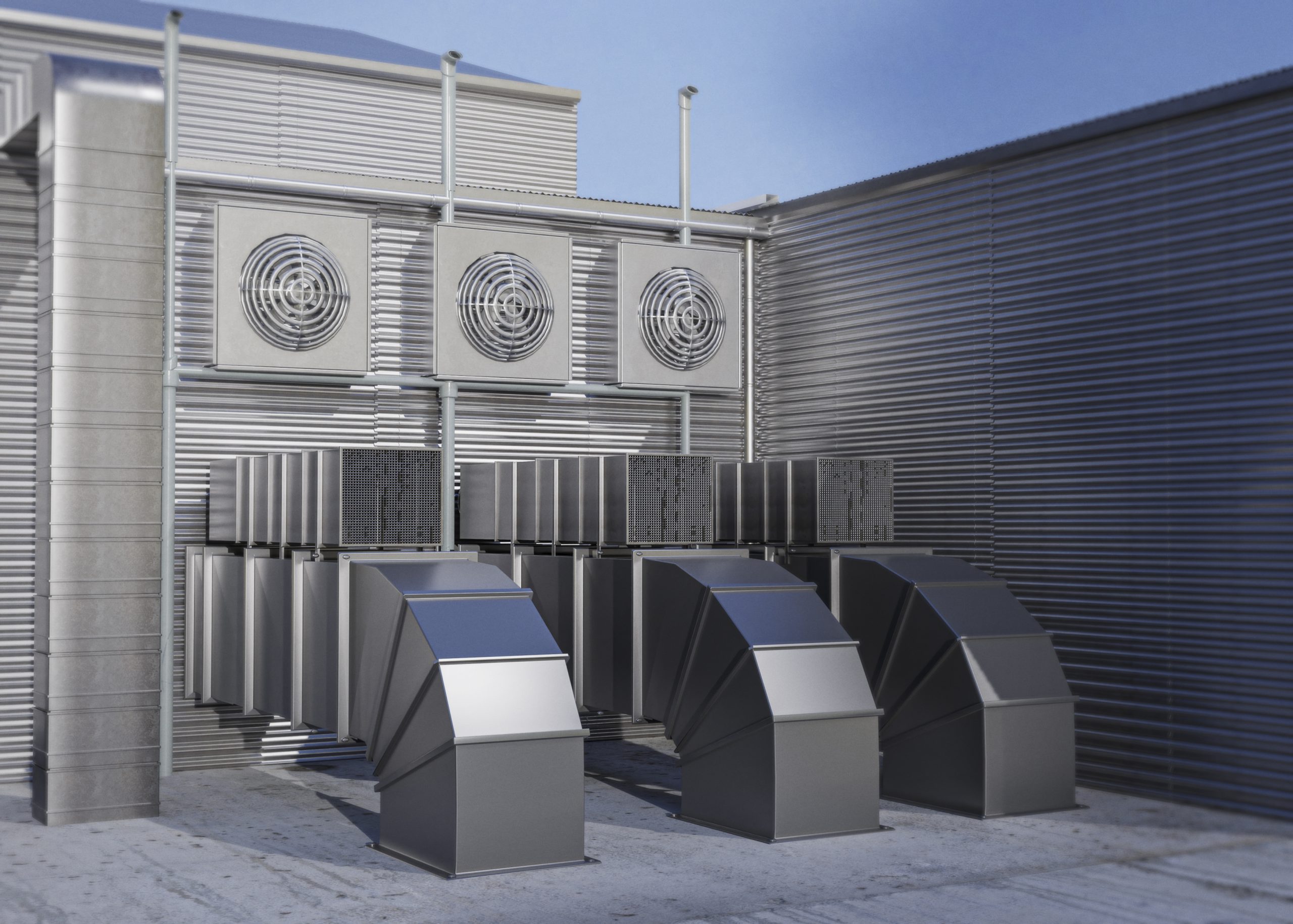
Energy Efficiency Tips for Commercial HVAC Systems
Commercial buildings rely heavily on their HVAC systems to maintain comfort, productivity, and proper indoor air quality for their employees and staff members. But heating, cooling, and ventilation also represent one of the largest energy expenses for most facilities. The good news? With the right strategies, you can significantly reduce energy consumption, extend equipment life, and improve building comfort. All you need to do is get regular maintenance checks and watch out for some signs.
We are listing down some practical, high-impact energy efficiency tips for commercial HVAC systems that help businesses cut costs and optimize operations.
Commercial HVAC systems account for up to 40% of a building’s total energy use, making them a prime target for cost reduction. Improving efficiency offers benefits such as:
- Lower utility bills
- Reduced wear and tear on equipment
- Fewer emergency repairs
- Enhanced comfort for employees and customers
- Improved indoor air quality (IAQ)
- Smaller environmental footprint
Energy efficiency isn’t just a cost-saving measure, it's a long-term investment in reliability and sustainability.
Top Energy Efficiency Tips for Commercial HVAC Systems
1. Schedule Routine Commercial HVAC Maintenance
Regular maintenance is the foundation of an efficient HVAC system. Over time, dust, debris, and worn components force your system to work harder, using more energy.
Key maintenance tasks include:
- Cleaning evaporator and condenser coils
- Replacing air filters on schedule
- Checking refrigerant levels
- Inspecting belts, motors, and electrical connections
- Testing thermostat and control systems
A well-maintained system can improve efficiency by 10–25%, reducing unnecessary operating costs.
2. Upgrade to a Smart or Programmable Thermostat
Smart thermostats give you tighter control over temperature settings across different zones in your building. They automatically adjust based on occupancy and outside temperatures, preventing wasted energy during off-hours.
Benefits:
- Real-time monitoring
- Custom scheduling
- Automated energy-saving adjustments
- Remote access via mobile app
Even small temperature adjustments, like raising the cooling setpoint a few degrees can yield significant savings.
3. Improve Airflow With Regular Filter Replacement
Clogged or dirty filters restrict airflow, making your system work harder and burn more energy. For commercial environments, ac filters should typically be replaced:
- Every 1–3 months, depending on usage
- More frequently in dusty, industrial, or high-traffic settings
Clean filters also help maintain better air quality and reduce strain on system components.
4. Seal Air Leaks in Ductwork
Up to 30% of conditioned air can be lost through leaky ducts in commercial buildings. This leads to uneven temperatures, higher energy consumption, and increased repair needs.
Fixing the air leak issue involves:
- Inspecting ducts for gaps, cracks, or loose connections
- Using mastic sealant or metal tape
- Adding insulation in exposed areas
A properly sealed duct system improves both efficiency and comfort.
5. Take Advantage of Natural Ventilation & Shading
Strategic use of natural resources can reduce strain on your HVAC system.
Energy-saving approaches:
- Utilize windows or louvers for airflow when outdoor temperatures are moderate
- Add shading, awnings, or reflective window films to reduce heat gain
- Install blinds or UV-blocking shades
Less heat entering your building means less work for your cooling system.
6. Upgrade to High-Efficiency Commercial HVAC Equipment
If your system is over 10–15 years old, an upgrade may deliver major long-term savings. Modern commercial HVAC units offer:
- Higher SEER and EER ratings
- Better variable-speed technology
- Enhanced ventilation management
- Advanced controls for fine-tuned efficiency
Investing in high-efficiency equipment pays for itself through lower operating costs and fewer repairs.
7. Use Zoning Systems to Control Energy Distribution
Not all areas in a commercial building have the same cooling and heating needs. Zoning allows customized temperature control by area, improving comfort while eliminating waste.
Zoning is ideal for:
- Multi-story buildings
- Warehouses
- Office complexes
- Retail spaces with varying traffic patterns
It ensures conditioned air goes only where it’s needed.
8. Clean and Calibrate Building Automation Systems (BAS)
Many commercial buildings rely on automation systems for HVAC scheduling and control. But outdated or misconfigured systems are common sources of energy waste.
Ensure your BAS is:
- Updated regularly
- Calibrated for seasonal efficiency
- Monitored for irregularities
A properly tuned automation system can reduce HVAC energy consumption by 15–30%.
How Energy-Efficient Practices Reduce Repair Costs
Energy efficiency not only lowers utility bills but also enhances system reliability. When your HVAC system isn’t overworked, key components last longer, and you experience:
- Fewer emergency breakdowns
- Lower repair costs
- Increased equipment lifespan
Simple efficiency improvements often prevent expensive issues before they start.
Improving the energy efficiency of your commercial HVAC system is one of the smartest investments your business can make. If you need help optimizing your commercial HVAC system or want a professional energy evaluation, partnering with a local commercial HVAC repair specialist ensures you get the most out of your heating and cooling equipment. If you are in Lubbock or San Antonio, then don’t hesitate to contact Leaky’s HVAC Contractor, trusted by thousands of customers.
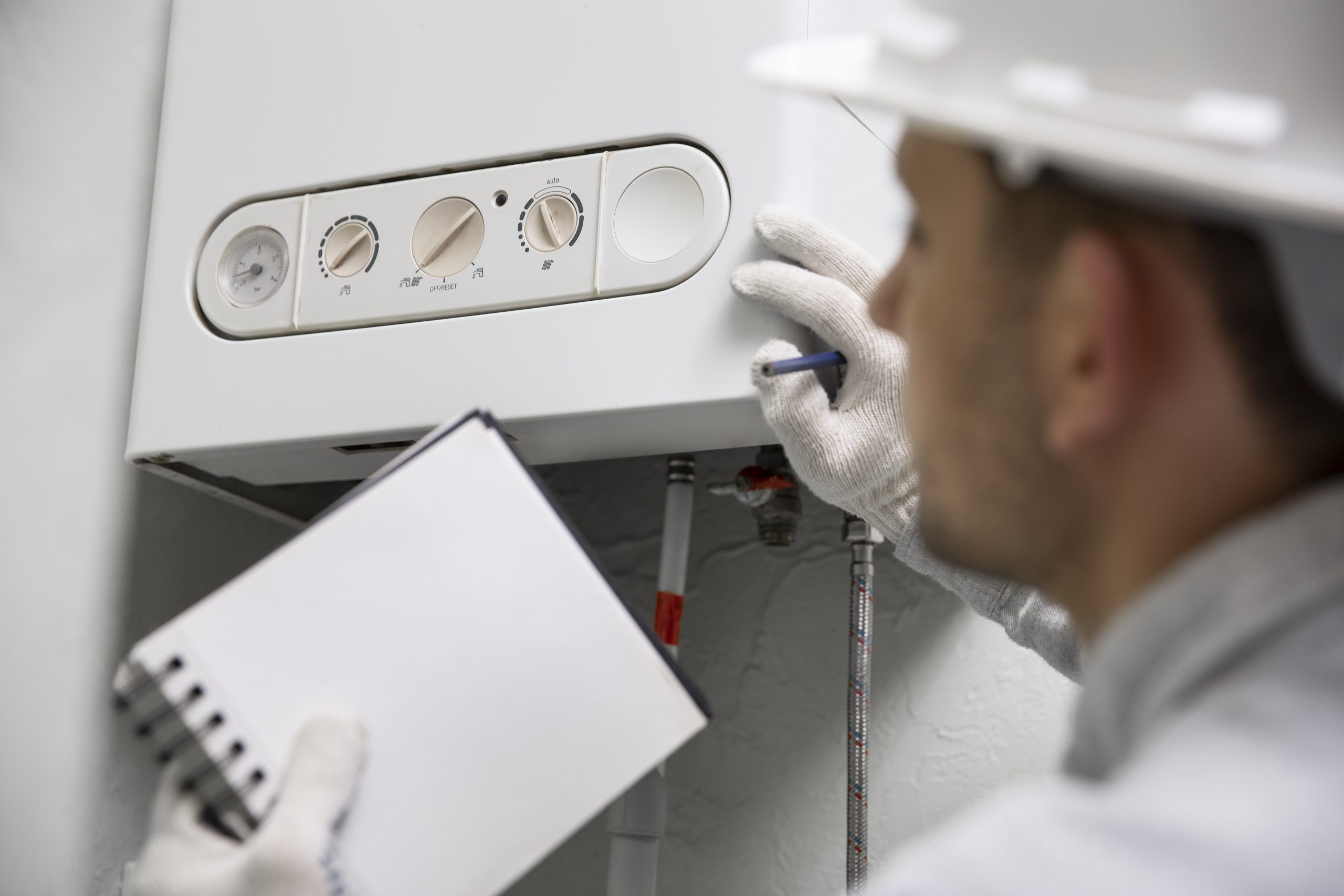
The Top 5 Signs Your Heater Needs Service Before the Next Arctic Blast Hits San Antonio
Why Heater Servicing Matters for San Antonio
Winters in San Antonio, TX are often milder than in northern U.S. states, brutal “arctic blasts” which you would probably see in New York, however, cold fronts do hit from time to time as we saw last year when temperatures went below freezing point in Texas. When they do, a malfunctioning or poorly maintained heater can leave a home uncomfortably cold … or worse, fail completely. Spotting problems early can save homeowners from emergency repairs, high heating bills, and safety risks. Home-heating problems often don’t start overnight: your system usually offers warning signs long before a full failure.
Here are the top five warning signals that your heater needs professional service and why you should act before the next freeze.
Is your heater generating strange or loud noises?
If your heater was “quiet enough” before but now produces unfamiliar sounds such as banging, rattling, screeching, grinding, then it’s a warning. Such noises often point to mechanical problems: worn bearings, loose components, a failing blower or belt, or ignition problems.
- Why it matters: Continued operation under these conditions can worsen damage (e.g., broken belts or motor failure) or for gas furnaces even lead to dangerous malfunctions.
- What to do: Turn off the heater if noises are harsh or booming, and call a qualified HVAC technician for inspection before the next heavy use.
Is the heater switching on-off rapidly?
A heating system normally runs in cycles: warm up, run, then shut off once required temperature is reached. If your heater is switching on and off rapidly and frequently known as short cycling, then it’s something that you should get it checked.
- What causes it: Clogged filters, blocked vents/ductwork, a malfunctioning thermostat, or a blower motor issue.
- Why it’s dangerous: Short cycling overworks the system, leading to inefficiency, increased wear, and higher risk of breakdown, definitely not something you want when you are trying to stay warm indoors.
- What to check: Verify air filters are clean, vents are unobstructed, thermostat is working correctly. If the problem persists, call a technician.
Are you experiencing uneven heating or cooling in your home?
If some rooms stay warm while others remain cold even though the heater is running continuously, then something might be off. Weak or inconsistent airflow from vents, leaky or blocked ductwork, or a failing blower motor/heat exchanger may be to blame.
- Why it matters: Not only is it uncomfortable, but uneven heating forces the system to work harder to compensate, reducing its lifespan over time.
- What to do: Check filters, ensure vents/ducts are clean and unobstructed, and have a professional evaluate the blower or ductwork if the problem continues.
Did you get a really high energy bill this month?
One of the most reliable “data-driven” warnings: when your electricity or gas bills spike even though usage habits remain the same. It definitely indicates that your San Antonio's home heating system is losing efficiency and consuming more watts for the output it’s generating.
- What causes this: Dirty filters, worn-out components, inefficient combustion (in gas systems), or a system that’s struggling to maintain temperature due to underlying issues.
- Why it matters: Continuous inefficiency is costly, and can indicate a heater that’s on its way out. If the system is too old then you might be better off going for some newer model that consumes less power, however, if it’s a new system then better to get it checked before December cold hits Texas.
Are you getting strange odors or musty smells from vents
A “clean” heater should blow warm air without foul smells. If you detect burning-like, musty, moldy, or gas-like odors when the heater runs, take notice. Persistent smells, especially burning or sulfur/gas odors could be a major problem, overheating electrical components, poor combustion, or even a gas leak (for furnaces).
- Why it matters: Ignoring such odors can pose safety risks (fire hazard or even carbon monoxide poisoning if combustion is compromised) or lead to health issues from poor air quality.
- What to do: Turn off the heater immediately. If odors persist or if you smell natural gas, evacuate immediately and call a certified HVAC professional or your gas provider.
What the Data Shows And Why Proactive Maintenance Pays Off
- Heating systems that are neglected tend to suffer shortened lifespans because small early problems often snowball into major failures.
- According to industry maintenance guidelines, having a system inspected annually ideally just before winter can significantly reduces the risk of unexpected breakdowns.
- Many emergency repairs result from avoidable factors: clogged filters, blocked ducts, or worn belts. Regular maintenance can catch these early and keep the heater running efficiently and safely.
Given the unpredictability of Texas winter weather (which is now more than ever due to dangers posed by global warming) and occasional “arctic blasts”, it’s smart for homeowners in San Antonio to NOT wait until the cold hits hard. Proactive maintenance and early repairs pay off in comfort, safety, and lower long-term costs.
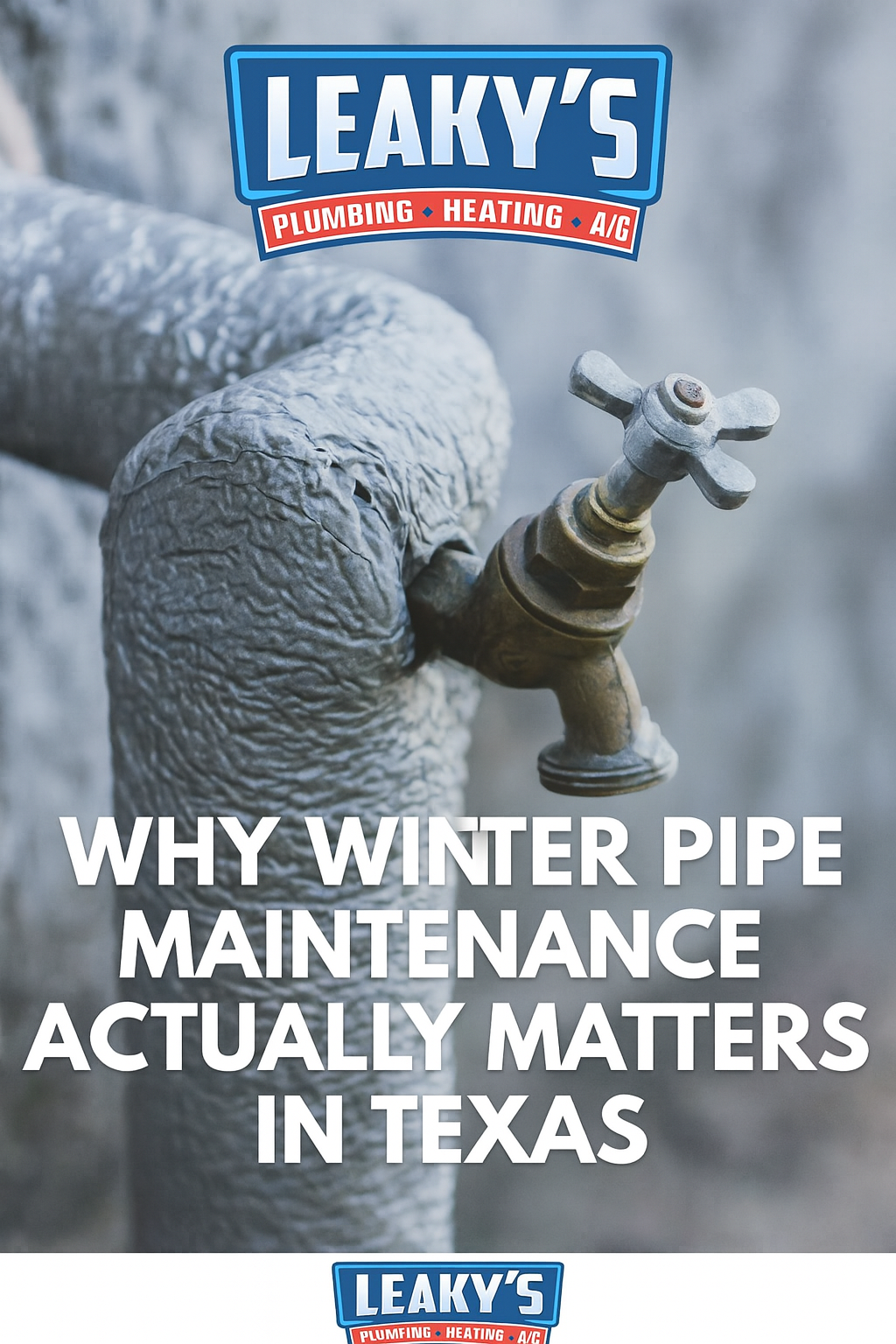
Why Winter Pipe Maintenance Actually Matters in Texas
Winter in Texas usually isn't something that keeps us up at night. Remember last year's snowstorms? Those record-low temps caught most of us completely off guard. Insurance companies tallied up more than $10 billion in property damage across Texas during the freeze, and burst pipes accounted for a significant portion of that cost. People in Lubbock and San Antonio were scrambling for emergency plumbing help—often after the damage was already done.
As we head into another winter season, getting your home's plumbing ready isn't just a good idea anymore—it's essential. Here's why winter pipe prep matters and what you can do right now to avoid expensive headaches down the road.
Why Frozen Pipes Are Such a Big Deal in Texas
Our Homes Just Aren't Built for Freezing
Here's the thing: many Texas homes have plumbing in attics, exterior walls, and other exposed spots. Great for our usual warm weather, not so great when temperatures suddenly nosedive below freezing.
Texas Weather Has a Mind of Its Own
We're talking about going from 75°F to 20°F in a single day. That kind of temperature shock can freeze your pipes before you even realize there's a problem brewing.
The Science Behind the Burst
When water freezes, it expands by about 9%. That creates serious pressure inside your pipes—way more than they're designed to handle. The result? Bursts, leaks, and the kind of water damage nobody wants to deal with.
What You Can Do Right Now to Protect Your Pipes This Winter
- Insulate Those Exposed Pipes
Focus on:
- Plumbing lines in your attic
- Outdoor spigots
- Pipes in unheated garages
- Crawlspace plumbing
Foam sleeves, heat tape, or pipe-wrap products can cut your freeze risk by 70–90%. Pretty solid insurance for a small investment!
- Keep Your Home Warm, Even When You're Not There
Heading out of town? Keep your thermostat above 55°F. We know it seems wasteful to heat an empty house, but it's way cheaper than dealing with burst pipes.
- Let Your Faucets Drip When It Gets Really Cold
A little trickle from both hot and cold faucets prevents pressure buildup. You only need about a ¼" stream to make a real difference.
- Open Up Those Cabinet Doors
Your bathroom and kitchen sinks hide pipes in those closed cabinets. Opening the doors during cold nights lets warm air reach them—simple but effective.
- Disconnect and Drain Your Garden Hoses
A frozen hose can create pressure that backfeeds into your home's plumbing system. Not fun. Disconnect them, drain them, and call it a day.
- Seal Up Cold Air Leaks
Grab some caulk or expanding foam and seal gaps around:
- Vent openings
- Exterior wall penetrations
- Foundation cracks
- Dryer vents
Even a tiny draft can freeze nearby pipes.
- Know Where Your Main Water Shutoff Is
This is huge. If you have an emergency, shutting off the water fast can be the difference between minor damage and a disaster. Find it now, not when you're panicking.
What To Do If Your Pipes Freeze (Don't Panic!)
- Turn off your main water supply immediately
- Open your faucets to relieve pressure
- Use gentle heat (hair dryer or space heater) to thaw pipes—never use open flames
- Call a licensed plumber ASAP
Here's something important: frozen pipes can crack without you seeing anything. Running water through a damaged pipe might cause flooding minutes later, so it's always better to have a pro check things out.
When You Need Help Fast
Look, despite your best efforts, stuff happens. If you're in Lubbock or San Antonio and find yourself dealing with frozen pipes, burst lines, or heating issues, give us a call at Leaky's Plumbing, Heating & A/C. We're available 24/7 because we know problems don't follow business hours. Our NATE-certified technicians are ready to help, even at 2 a.m.
Don't Wait Until It's Too Late
Texas winters might be unpredictable, but your home doesn't have to be caught off guard. With some smart preventative steps and a trusted team on speed dial, you can seriously reduce the risk of frozen pipes and avoid the costly mess so many folks dealt with last year. Winter's coming around again, so now's the perfect time to take action. Give us a call at (806) 454-9688 in Lubbock or (210) 361-6947 in San Antonio to schedule a winter plumbing inspection or to ask any questions about protecting your home. After all, when it comes to your home's plumbing, it's always better to be proactive than reactive!